
What Is a Packaging Sleeve, Exactly?
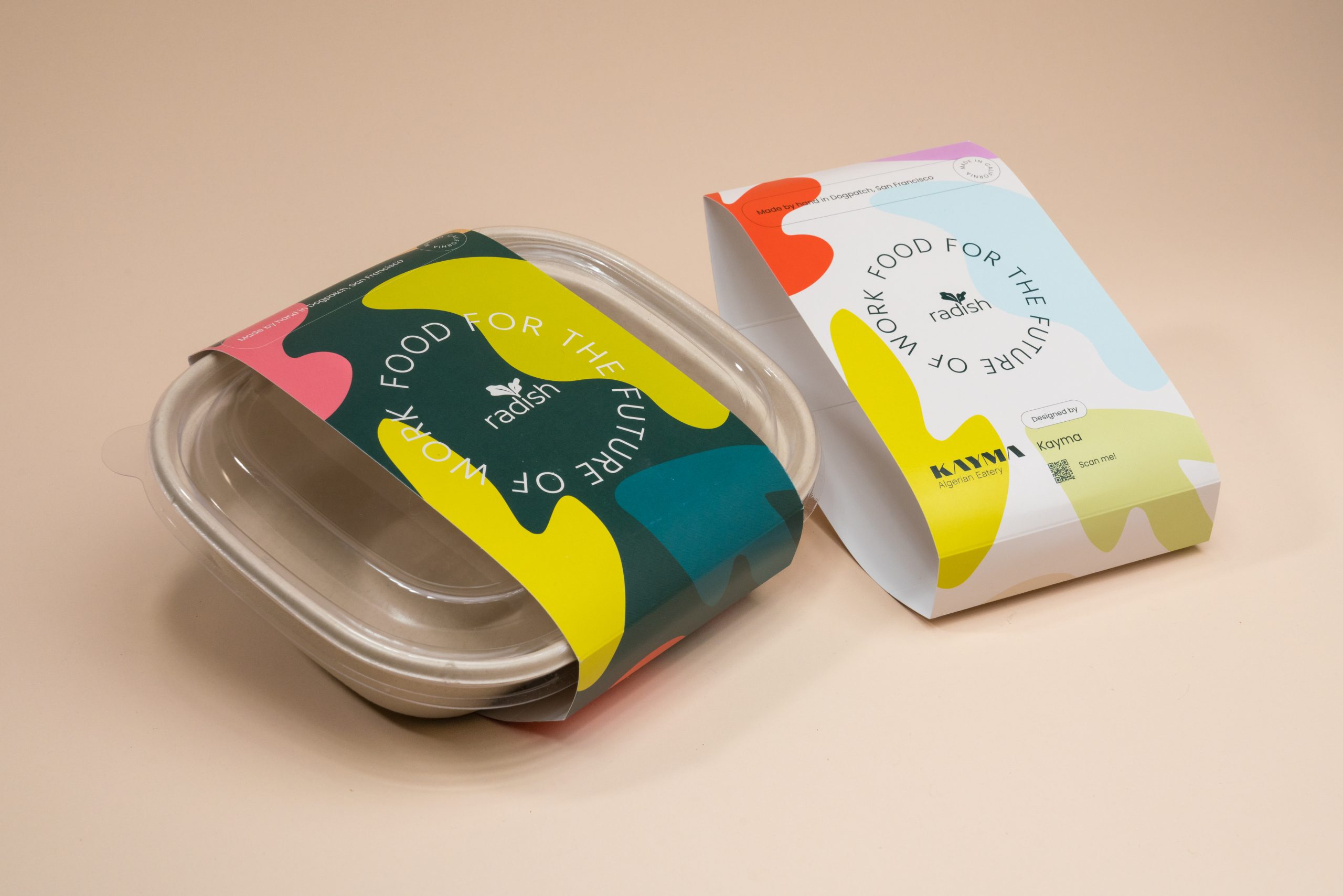
A packaging sleeve is a printed wrap that fits around a product or its container, rather than serving as the container itself. Instead of fully surrounding the product or its package, a sleeve is a band that adds real estate for branding or information, or provides an extra layer of closure to keep a container or bundle together.
Because a sleeve doesn’t involve as much structural complexity as other types of packaging, they’re an easy and inexpensive way to add shelf presence without the challenge of designing a box from scratch. That’s part of why so many brands lean on them for seasonal packaging, product launches, and small-batch runs.
What Do Packaging Sleeves Do?
Sleeves earn their spot on a product for a few practical reasons:
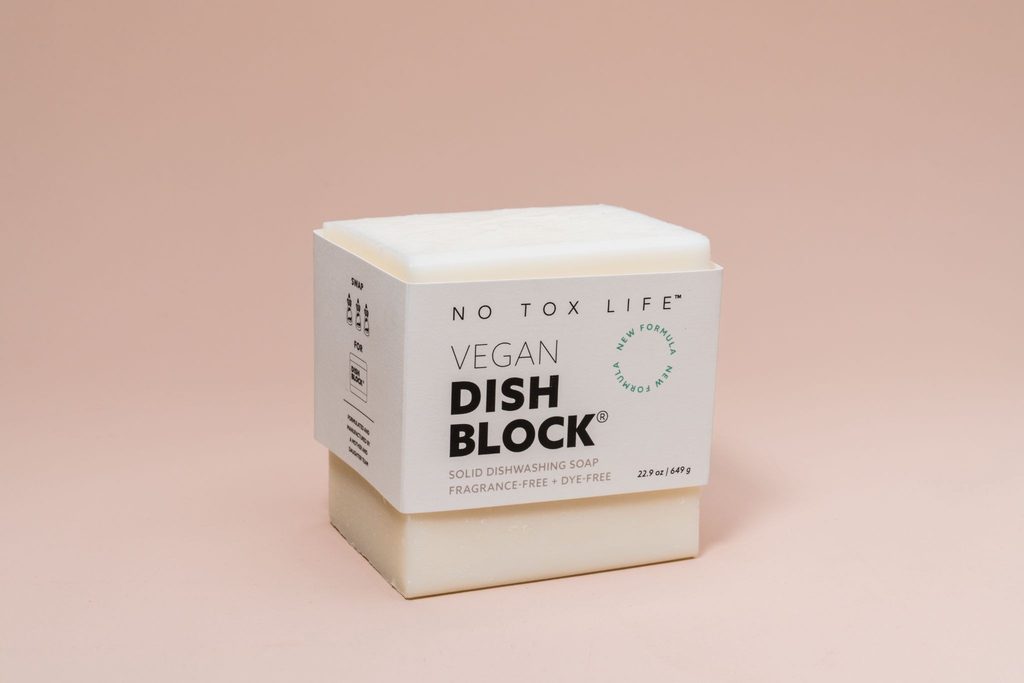
- Branding real estate. A sleeve gives you a clean surface for a logo, ingredient list, or brand story, even when the container underneath is plain or reused.
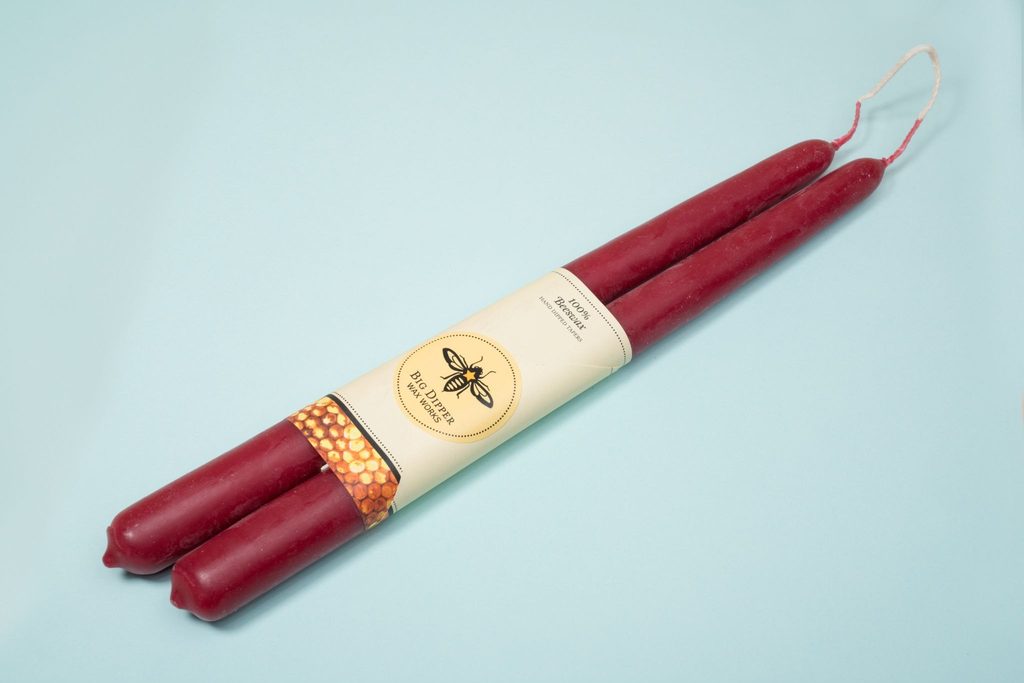
- A built-in closure. Some sleeves double as the thing holding a product together. A custom belly band wraps around a stack of items or bundle of goods and holds everything in place without needing a box.
- Extra layer of protection. A sleeve can add a level of tamper-evidence, signalling to a customer that the package hasn’t been opened before it reached them.
- Reduce material waste. Sleeves use less material than other types of containers. With many well-known brands moving toward greener packaging, sleeves can be a great fit for brands looking to keep up with the times.
- Cut down on branding costs. Printing custom packaging can be expensive, depending on the container’s shape and material. Because sleeves are easier and less expensive to print, it’s an affordable way to add custom branding to any package.
Package sleeves are a versatile solution that provides a polished, professional touch and sets your product apart. That’s why they’re popular with high-end brands that produce luxury products, such as Apple.
Common Types of Sleeves in Packaging
Not every sleeve looks or functions the same way. Here’s how they typically break down by format, material, and closure.
Types of Packaging Sleeves
The right type of sleeve depends on what you’re wrapping.
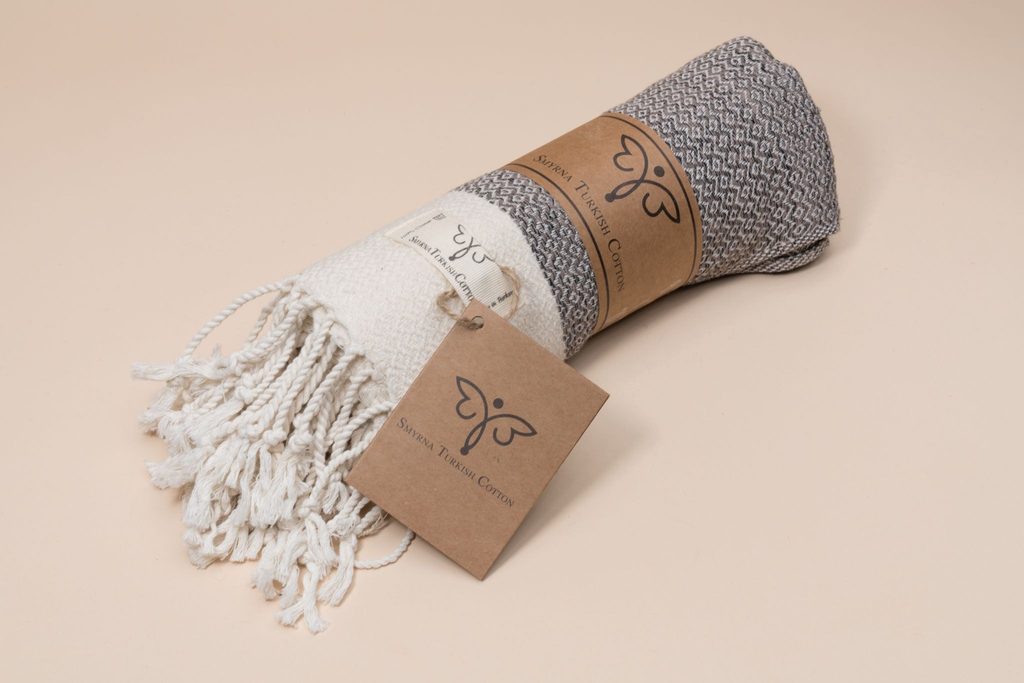
- Belly band sleeves wrap around the middle of a product, container, or bundle of items. They leave most of the item visible while providing real estate for branding and product information.
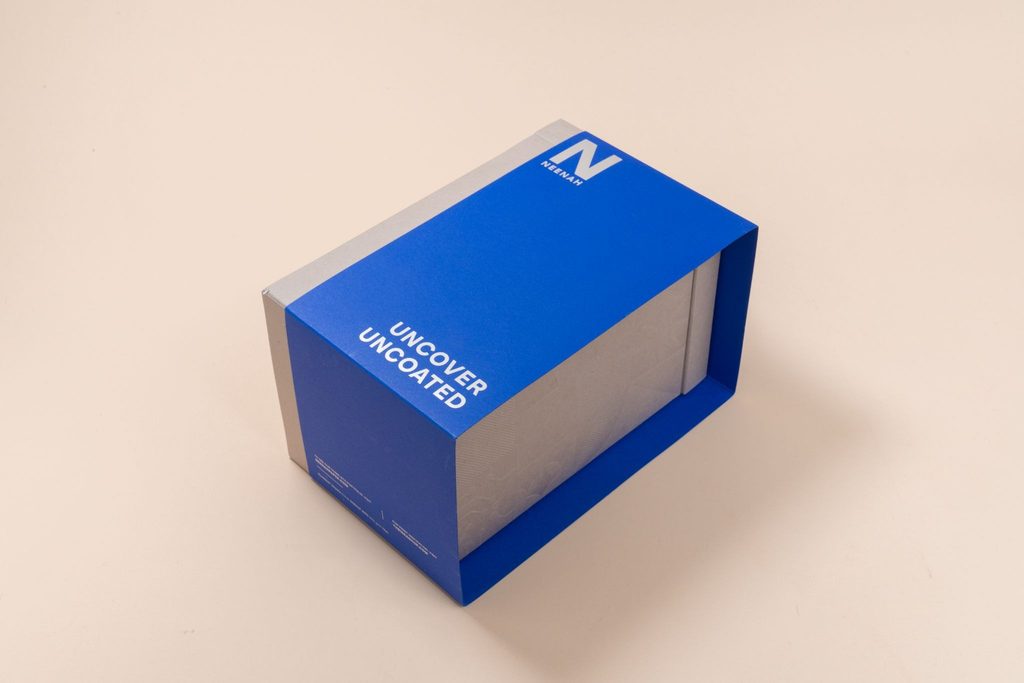
- Box sleeves are wider than belly bands and slide completely over a box to dress it up and provide branding all the way around the box. This allows you to customize any box, usually at a lower cost than custom retail boxes.
- Pop-up sleeves come already glued together. They’re shipped flat and open into shape, making them a great option for high-volume packaging.
Materials for Sleeves in Packaging
While plastic options exist, most packaging sleeves are made from durable paper stock. When choosing what type of paper you want for your sleeves, you’ll have plenty of options to choose from, including:
- Weight – how thick and rigid the paper is
- Finish – the paper’s texture and shine
- Lamination – a coating to make the paper moisture resistant
- Scoring – to create crisp edges and prevent buckling when the sleeve is folded
Packaging Sleeve Closures
Sleeves are printed flat, then folded into shape so it can be placed around an item or slipped over a package. Aside from pop-up sleeves, which are pre-glued, there are three main options for sleeve closures:
- Interlocking tab and slot closure for adhesive-free closure
- Stickers for added holding strength
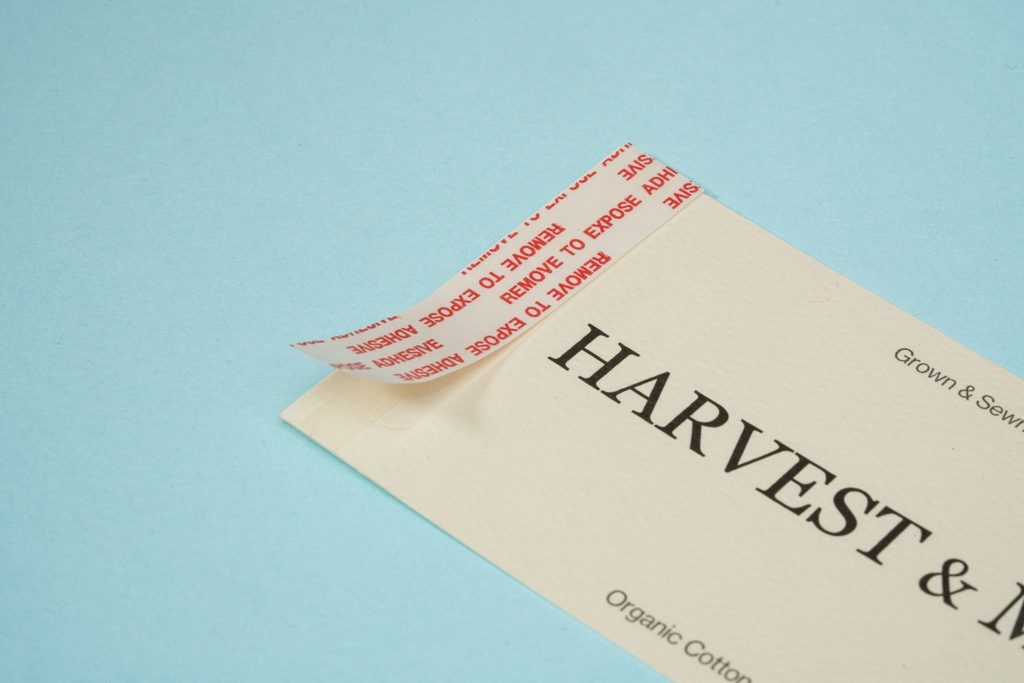
- Kleenstick (a 3/4” flap with double-sided tape under a peel-away strip)
Sleeves vs. Boxes: When Does a Packaging Sleeve Make Sense?
A full custom box makes sense when a product needs structural protection or a shelf-ready presence on its own. A sleeve makes more sense when:
- The product already has adequate protection like a jar or bag, or is soft or durable enough not to need protective packaging, such as a bundle of socks
- You want customers to be able to feel or smell the product without packaging getting in the way, such as with bars of soap
- You’re watching both budget and turnaround, since sleeves are typically faster and cheaper to produce than a custom box
- Lighter shipping weight or minimal waste matter to your packaging or branding goals
A packaging sleeve’s lighter footprint lines up with a broader shift toward more sustainable packaging that more consumers care about. Our compostable packaging sleeve options provide polished packaging with minimal ecological impact.
Designing a Sleeve That Prints Well
Because a sleeve wraps around a product, your design needs to account for where the seam, closure, and any curves or folds fall. Text or logos placed too close to a fold or closure can be distorted or hidden.
Keep key elements like your logo and any important copy centered in the flattest part of the sleeve, and build in bleed on any edge where the color should run off the edge. If you’re new to setting up this type of design, our file setup guides walk through bleed, margins, and export settings before you send a design to print.
Ready to Add Sleeves to Your Packaging?
Packaging sleeves are a simple way to add branding, closure, or a sustainability story to a product without overhauling your packaging. If you’re ready to see what a sleeve could look like on your product, browse our full lineup of custom packaging options or request free samples to feel the paper stock and closures for yourself! As always, if you have any questions, our team at Greenerprinter is here to support you in any way we can.
Ready to bring your project to life? Greenerprinter offers a full range of sustainable printing options. Explore some of our most popular products:
Calendar Printing
Custom Calendars | Wall Calendars | Saddle-Stitched Calendars
Book & Booklet Printing
Custom Books | Custom Booklets | Saddle-Stitched Booklets | Zines | Catalogs
Brochure Printing
Custom Brochures | Tri-Fold | Bi-Fold | Gate Fold | Z-Fold