
“Direct mail” isn’t one thing — it’s a category that covers everything from a simple postcard to a fully addressed catalog. If you’ve ever searched “what is a direct mailer” or found yourself comparing business mailers side by side without a clear winner, that’s because the right answer depends less on which format is objectively “best” and more on what you’re mailing, to whom, and how much control you need over the message. Here’s how to work through that decision.
What Is a Direct Mailer, Exactly?
A direct mailer is any physical marketing piece sent through the mail to a household or business — as opposed to email or digital ads. That covers postcards, folded self-mailers, letters in envelopes, catalogs and booklets, and dimensional (box or package) mailers. The format you choose changes the cost, the amount of message space you get, and how the piece gets treated once it lands in the mailbox.
The Main Types of Direct Mail
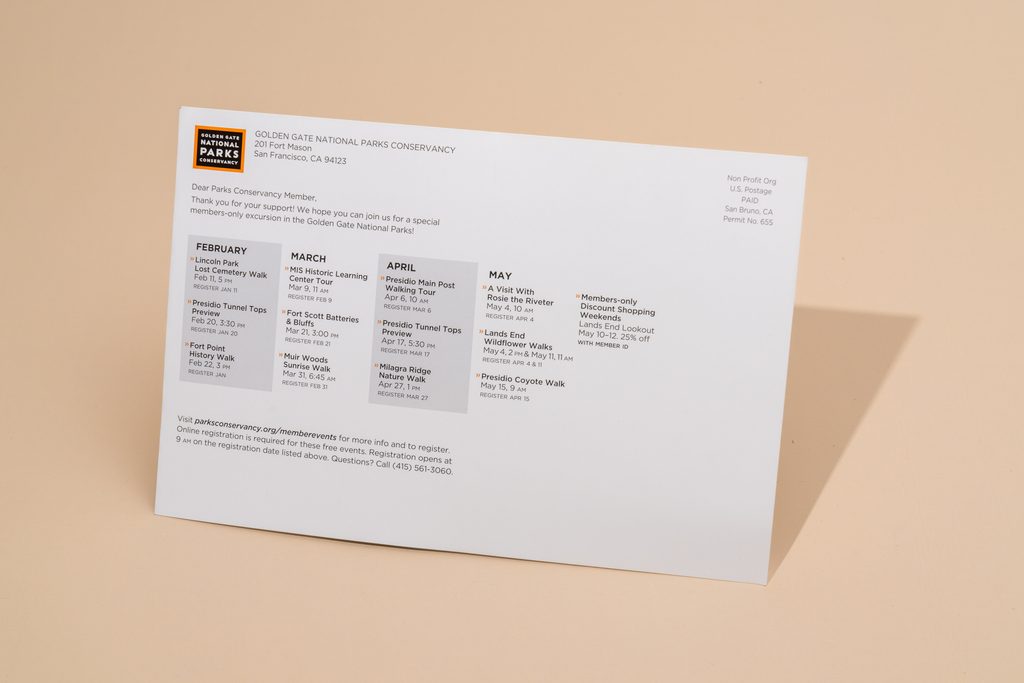
Postcards are the most budget-friendly direct mail format and the fastest to produce. There’s no envelope to open, so the message is visible the instant it’s picked up — great for time-sensitive promotions, sales, and simple announcements. The tradeoff is limited space: you’re working with one or two sides and no room for a long pitch.
Folded self-mailers (bi-fold, tri-fold, or gate-fold) mail without an envelope but give you more panels to work with than a postcard — useful for a short product lineup, an event flyer, or a multi-step offer. They’re generally cheaper than envelope mail and, since there’s no separate envelope to manufacture, a somewhat more eco-friendly mailer format.
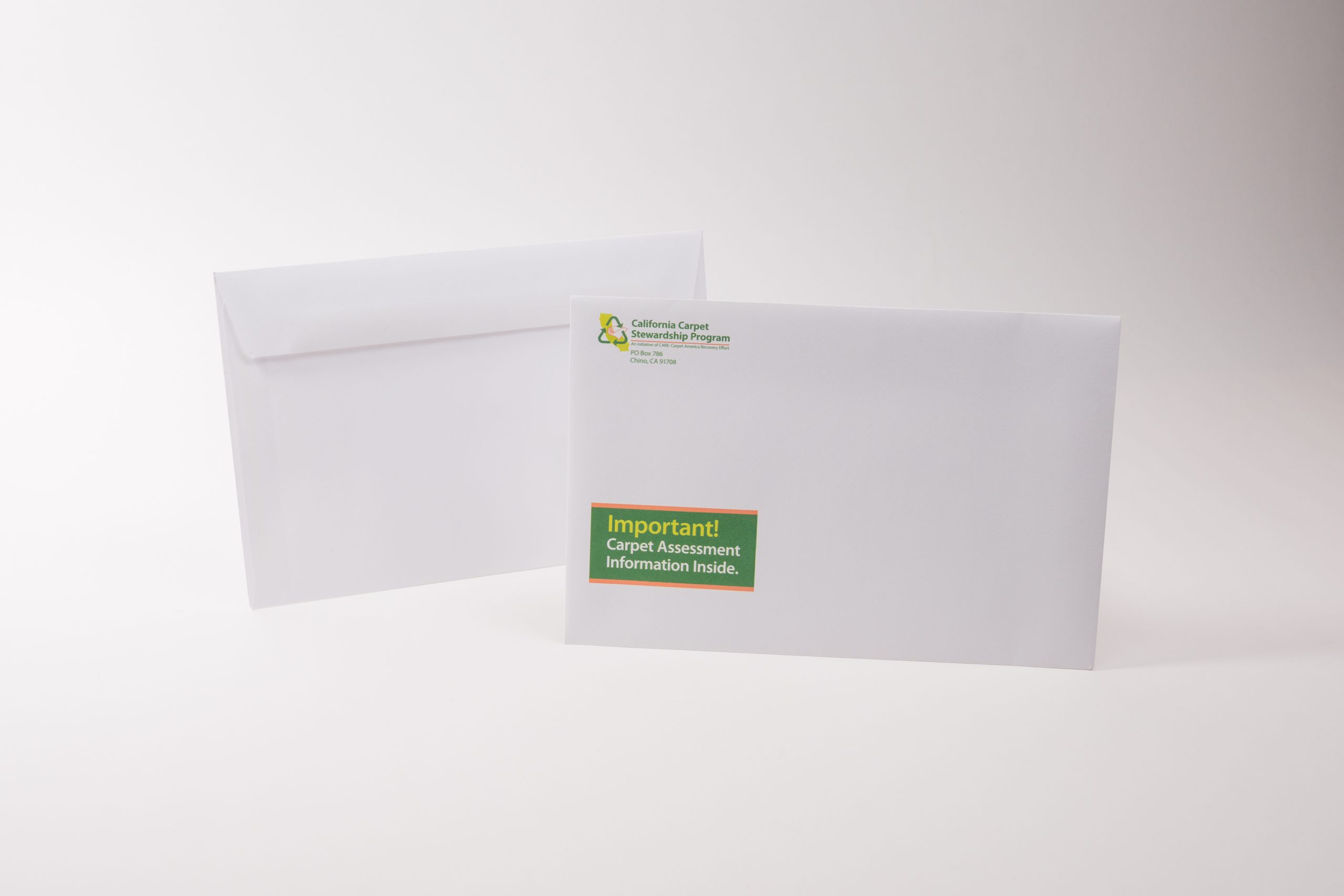
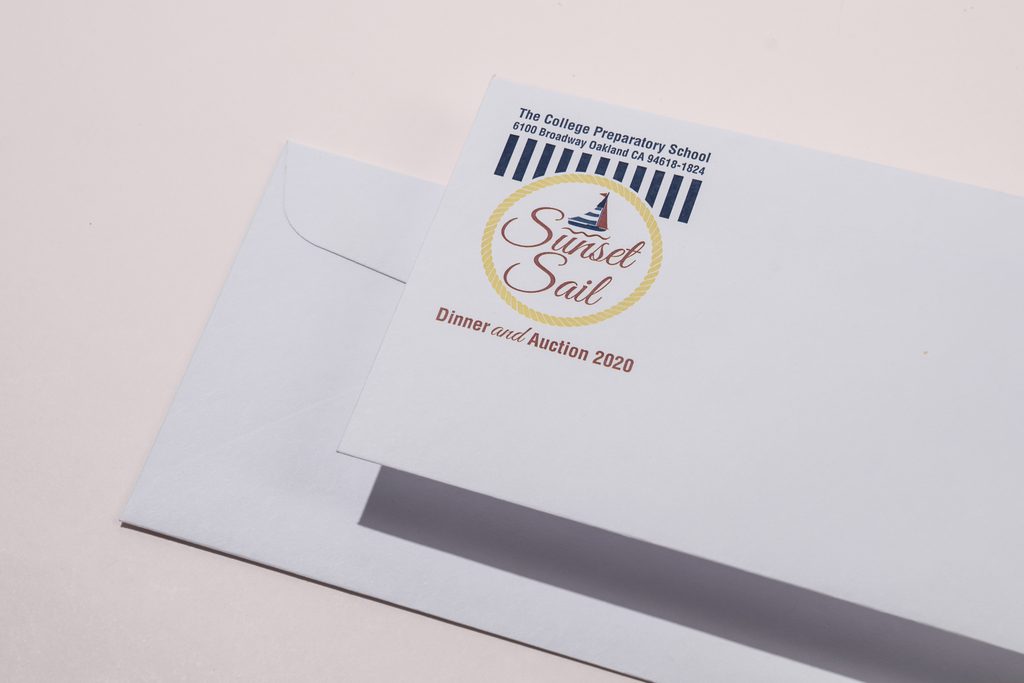
Letters and envelope mail cost more and take more prep time to assemble, but they’re the right call when privacy matters, when the content is longer or more personal, or when a well-designed envelope with a personalized address is likely to boost open rates on its own. This is the format for account notices, personalized offers, and anything that shouldn’t be readable by anyone who glances at the mailbox.
Catalogs and direct mail booklets work when you have a genuine product line to show — apparel, home goods, a full menu. They cost more to print and mail (page count and weight both drive up postage), but they let a customer browse in a way a single postcard never can.
Dimensional or specialty mailers — a small box, a sample, anything with shape or texture — get noticed and tend to produce the highest response rates of any format, precisely because they’re unusual. They also cost the most and come with tighter postal restrictions, so they’re best reserved for your highest-value prospects rather than a full list.
Envelope or No Envelope?
This is one of the first forks in the road, and it’s worth being deliberate about. An envelope buys privacy and a moment of “what’s inside” curiosity, at the cost of extra material, assembly time, and the risk of being tossed as junk mail before it’s even opened. A self-mailer or postcard skips that risk — but only if the design earns attention on the outside, since there’s no second surface to make a first impression.
If you’re weighing whether to print your branding directly onto the mailer versus applying it with custom tape or a label — a question that comes up especially for package-style mailers — the tradeoffs are fairly simple: printing directly onto the piece is more permanent and looks more intentional at any volume, while custom tape or labels are cheaper for very small runs and easier to update between batches, but read as a little less polished. For most recurring campaigns, printing directly on the piece wins once you’re past a handful of units.
And if you’re wondering whether you can mail flyers without an envelope at all — yes, as long as the piece is built as a proper self-mailer (sealed or tabbed edges, correct weight and dimensions), which brings its own postal requirements rather than just folding a flyer and slapping a stamp on it.
Standard Direct Mailer Sizes
Direct mailer sizes vary by format, and getting them wrong is one of the most common — and most expensive — mistakes:
- Postcards typically run from 4.25″ x 6″ (standard) up to 6″ x 9″ or 6″ x 11″ for an oversized “jumbo” postcard that stands out in the mailbox.
- Self-mailers commonly finish at 6″ x 9″, 8.5″ x 11″ (folded down from 8.5″ x 17″ or 8.5″ x 25″), or similar flat sizes.
- Envelope mail generally uses a standard #10 envelope (4.125″ x 9.5″) for letters, or larger flats for anything that can’t be folded.
- EDDM pieces have their own minimum size requirement — generally starting around 6.5″ x 9″ — specifically so carriers can distinguish them from other mail in the route.
Postage rates shift with size and weight, so it’s worth confirming exact current dimensions with your printer before finalizing a design rather than assuming last year’s specs still apply.
EDDM vs. Targeted Direct Mail
This is one of the most common points of confusion, and the two options solve different problems. Every Door Direct Mail (EDDM) is a USPS program that mails to every address on a chosen carrier route — no mailing list required, which makes it a strong, low-cost option for local businesses trying to reach everyone in a specific neighborhood or zip code. Targeted direct mail, by contrast, uses a purchased or owned mailing list to reach specific households or businesses based on demographics, past purchase behavior, or account status — a better fit when you’re mailing to customers specifically, mailing across a wider area than a single route, or running a business-to-business campaign rather than blanketing a neighborhood.
Neither one is a universal upgrade over the other — a coffee shop announcing a grand opening probably wants EDDM’s saturation coverage of its immediate area, while a subscription brand re-engaging lapsed customers needs a targeted list.
Which Format Actually Performs Best?
There isn’t one “most effective direct mail format” that wins across every business — the honest answer is that performance depends on matching format to goal:
- Time-sensitive promotions and simple announcements — postcards, often paired with a QR code or unique URL so response is trackable.
- Personalized offers or anything sensitive — envelope mail.
- Cost-conscious campaigns or an eco-focused brand — self-mailers.
- A full product catalog or established brand with a wide assortment — catalogs and booklets.
- High-value prospects where budget allows a bigger swing — dimensional mailers.
Different business models lean different directions, too. Ecommerce and CPG brands often do well with postcards or self-mailers tied to a promo code; nonprofits and religious organizations frequently use appeal letters and folded newsletters; real estate relies heavily on “just listed / just sold” postcards targeted by neighborhood; subscription brands tend to use direct mail for win-back campaigns with a targeted list rather than EDDM saturation.
Direct Mail for Small Businesses and Startups
You don’t need a large budget to make direct mail work. Postcards and EDDM are typically the two most cost-effective entry points, since EDDM removes the cost of a mailing list and postcards keep printing and postage low. If you’re working with a tight startup budget, starting with a single EDDM postcard run to your immediate trade area — rather than a national targeted list — is usually the more affordable way to test whether direct mail moves the needle for your business before committing to a bigger campaign.
One quick clarification, since the terms get mixed up: a poly mailer (the plastic shipping bag your online orders arrive in) is a packaging choice, not a direct mail marketing format — it’s worth knowing the difference so you’re budgeting for the right thing. If what you actually need is a marketing piece that lands in a mailbox rather than a shipping bag for fulfillment, postcards and self-mailers are the comparable low-cost options.
Advantages and Disadvantages of Direct Mail
Direct mail’s biggest advantage is that it’s tangible — a physical piece competes with far less clutter than an inbox, and well-designed mail still gets picked up and looked at, even briefly, in a way a marketing email often doesn’t. It’s also easy to make trackable with a QR code, promo code, or dedicated landing page, and it’s genuinely effective for staying top of mind with customers between purchases.
The tradeoffs: direct mail costs more per piece than digital outreach, it takes lead time to design, print, and mail rather than sending instantly, and paper and postage carry a real environmental footprint — which is exactly why paper sourcing (recycled, FSC-certified stock) is worth asking about when you’re comparing providers, not just an afterthought.
Choosing a Direct Mail Partner: Full-Service vs. DIY
The last decision isn’t about format at all — it’s about who handles the parts of the process besides design. A full-service direct mail provider typically handles list handling, address standardization, postal presort (which can lower your postage cost), and the actual mailing, all from the same place your piece is printed. Piecing it together yourself — a designer, a separate print shop, a mailing list vendor, and a mail house — can work, but it adds coordination overhead and more places for a job to stall.
When comparing options, it’s worth asking a provider directly: do you handle both EDDM and targeted list mailing, or just one? Do you offer variable data personalization (names, custom offers, or images per recipient) rather than one static design for the whole run? Is postage sorting and address standardization included, or billed and handled separately? Those answers tend to matter more than the sticker price on printing alone.
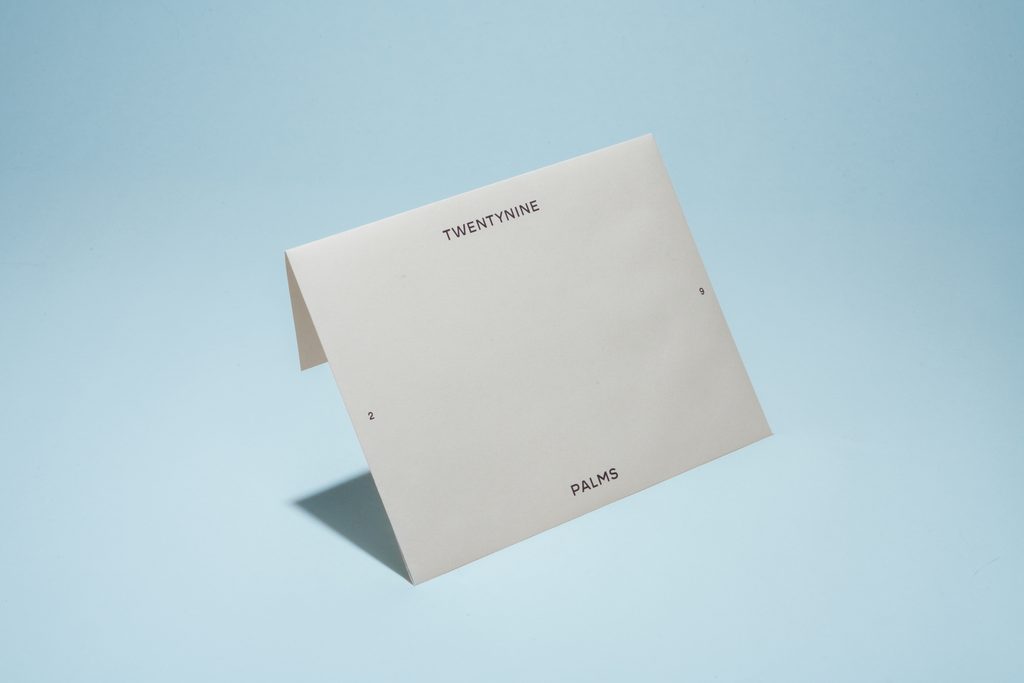
A Note on Getting It Printed and Mailed
Greenerprinter handles direct mail end to end — EDDM postcards (no mailing list needed), direct mail postcards and self-mailers mailed to your own list, and saddle-stitched direct mail booklets, with list handling, address standardization, postal presort, and variable data personalization included rather than farmed out to a separate vendor. Materials run on recycled stock (up to 100% post-consumer for uncoated pieces) with soy-based inks, and nonprofits get a standing discount on appeal and event mailers.
Ready to bring your project to life? Greenerprinter offers a full range of sustainable printing options. Explore some of our most popular products:
Calendar Printing
Custom Calendars | Wall Calendars | Saddle-Stitched Calendars
Book & Booklet Printing
Custom Books | Custom Booklets | Saddle-Stitched Booklets | Zines | Catalogs
Brochure Printing
Custom Brochures | Tri-Fold | Bi-Fold | Gate Fold | Z-Fold