
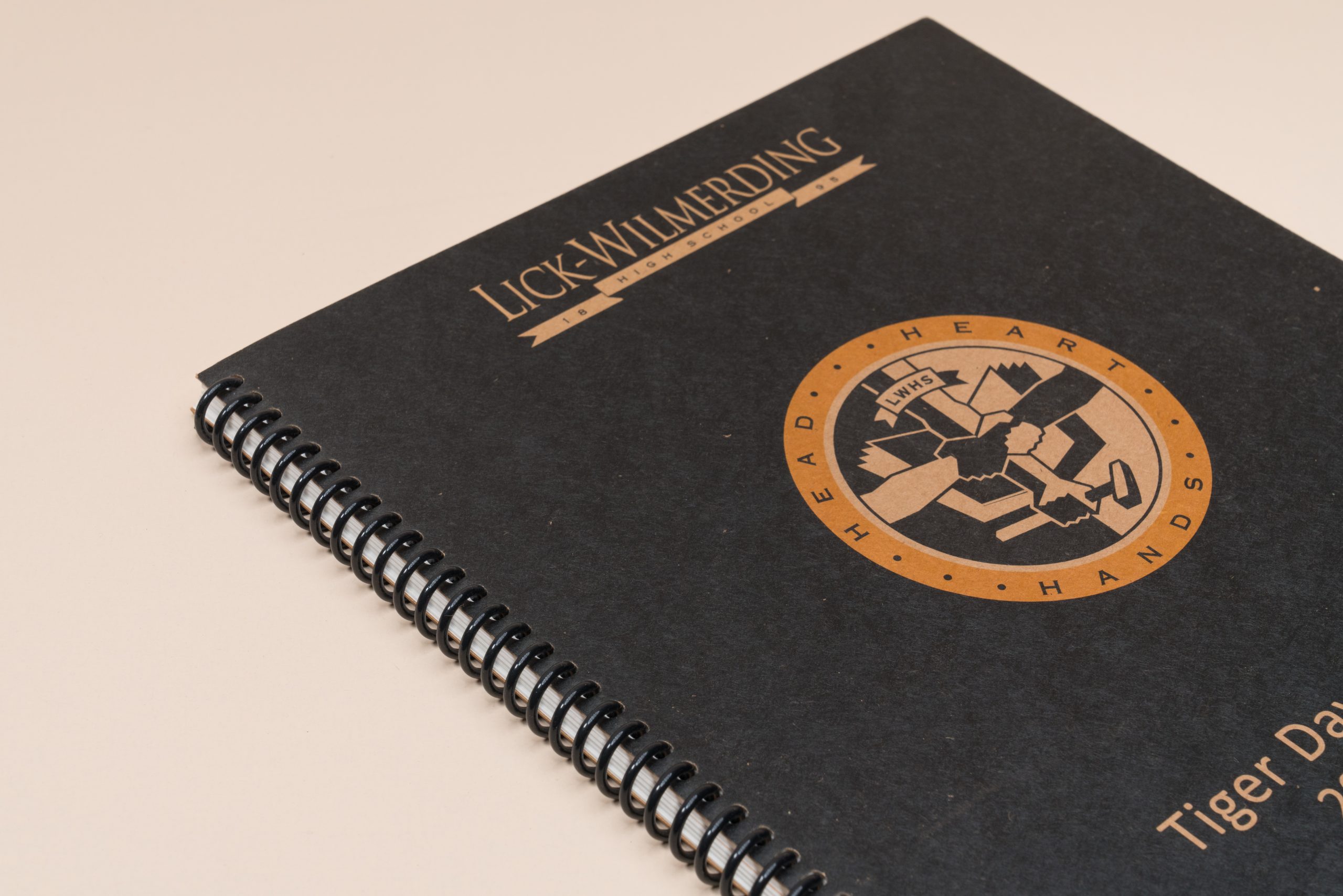
What Is Spiral Binding?
Spiral binding is one of the most recognizable — and most practical — binding styles out there, but if you’ve searched “what is spiral binding” or “what does spiral bound mean,” you’re not alone. This guide breaks down exactly what spiral binding is, how it’s made, and when it makes sense for your project.
What Does Spiral Binding Mean?
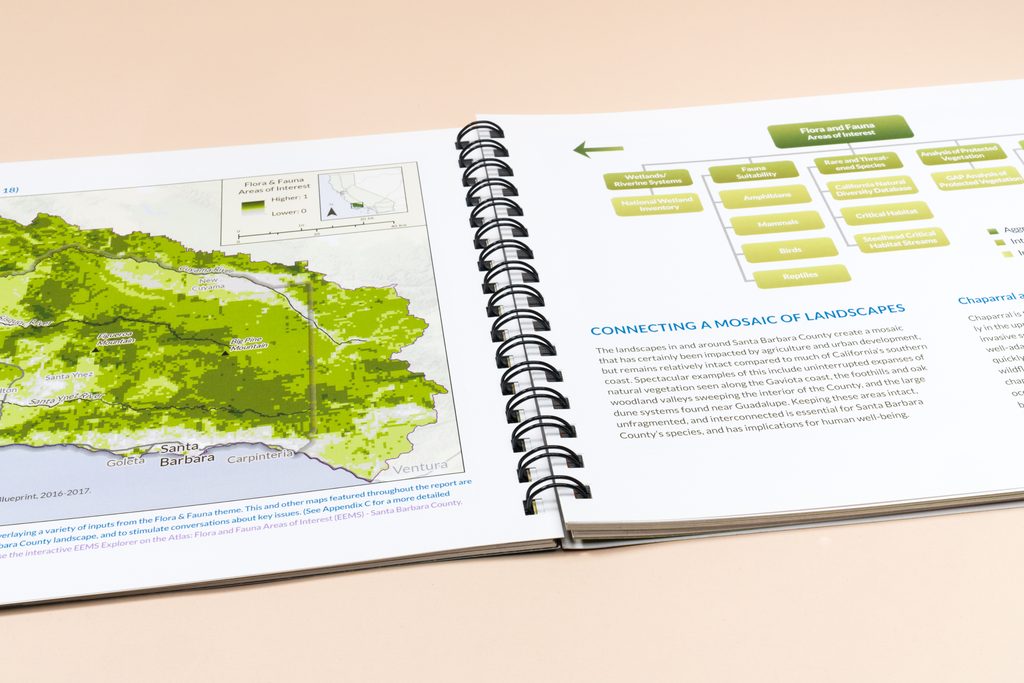
Spiral binding refers to a bookbinding method where a continuous coil — usually made of plastic (PVC) or metal — is threaded through a series of small, evenly spaced holes punched along the edge of a stack of pages. The coil holds the pages together while allowing the book to open completely flat and the pages to rotate a full 360 degrees.
In simple terms: a spiral-bound book or notebook is one where the pages are held together by a twisted coil running through punched holes, rather than staples, glue, or stitching.
What Is a Spiral Bound Notebook?
A spiral bound notebook is exactly what it sounds like — a notebook whose pages (and often its cover) are held together using the spiral binding method described above. This is one of the most common and recognizable applications of spiral binding, prized for how easily pages can be flipped, torn out cleanly along perforated edges, or folded back for compact writing.
How Is Spiral Binding Done?
The spiral binding process generally follows these steps:
- Punch the holes: Pages are stacked and holes are punched along one edge using a specialized punching machine.
- Insert the coil: A continuous plastic or metal coil is spun through the punched holes.
- Crimp the ends: The ends of the coil are crimped or cut to prevent it from unwinding.
This can be done on an industrial scale for print runs or, for small projects, using a home or office spiral binding machine.
Types of Spiral Binding
Not all spiral binding is identical — here are the main variations:
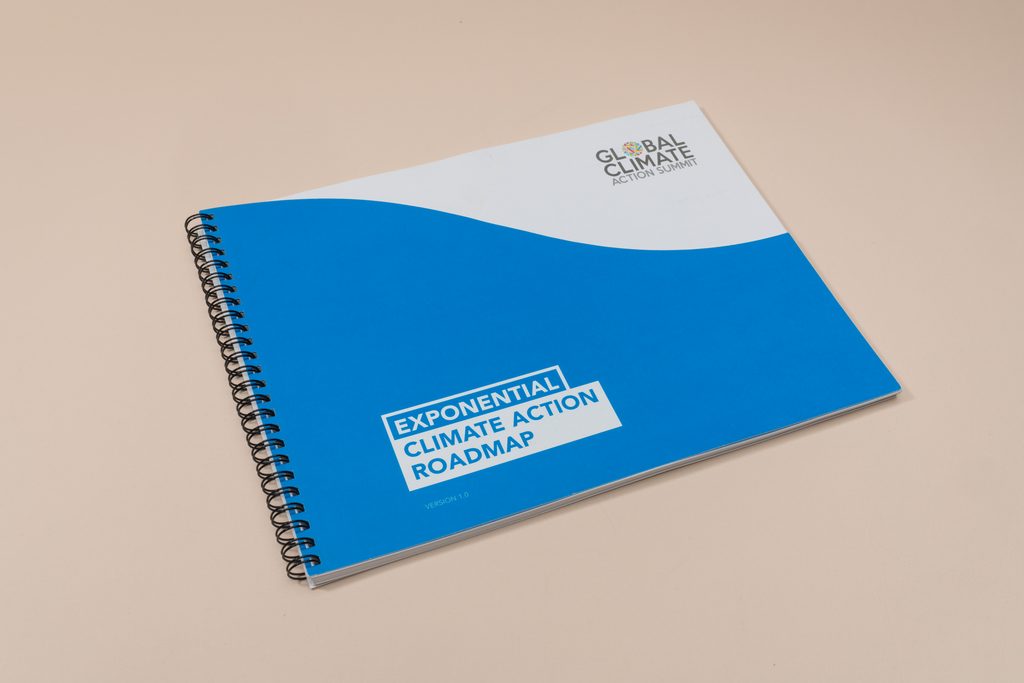
- Plastic coil binding: The most common type, using a flexible PVC coil available in many colors. Lightweight and cost-effective.
- Metal/wire spiral binding: Uses a metal coil for a more durable, professional look, often seen in notebooks, planners, and reports.
- Double-loop wire binding: Sometimes confused with spiral binding, this uses two parallel wire loops instead of a single continuous coil — offering a cleaner look but slightly less flexibility.
Spiral Binding vs. Other Binding Methods
It’s easy to mix up spiral binding with similar-looking styles. Here’s how they differ:
| Spiral Binding | Coil Binding | Comb Binding | Wire/GBC Binding | |
|---|---|---|---|---|
| Material | Plastic or metal coil | Same as spiral (often used interchangeably) | Plastic comb | Metal double-loop wire |
| Opens flat | Yes | Yes | Yes, but less smoothly | Yes |
| Durability | Good | Good | Moderate | Very good |
| Look | Casual to professional | Casual to professional | Casual | Professional |
Note: “spiral binding” and “coil binding” are often used as synonyms in the industry — they refer to essentially the same method.
Pros and Cons of Spiral Binding
Pros:
- Pages lie completely flat and rotate 360 degrees
- Durable and resistant to wear from frequent use
- Works well with mixed paper stocks (covers, tabs, inserts)
- Cost-effective for short to medium print runs
Cons:
- The coil can bend or become misshapen if crushed or stored improperly
- Not ideal for adding a spine title, since there’s no flat spine to print on
- Slightly less “polished” appearance compared to perfect-bound or hardcover books
- Pages can’t be easily added or removed without unwinding the coil
Is Spiral Bound Better Than Paperback?
It depends on the use case. Spiral binding is generally better for:
- Workbooks, manuals, and cookbooks that need to lay flat and stay open
- Documents that will be written in, referenced repeatedly, or used in active environments
Paperback (perfect binding) tends to be better for:
- Novels, literary works, and anything meant to look like a traditional book
- Projects needing a printed spine title for shelving
Neither is universally “better” — the right choice depends on how the finished piece will be used.
How Many Pages Can You Spiral Bind?
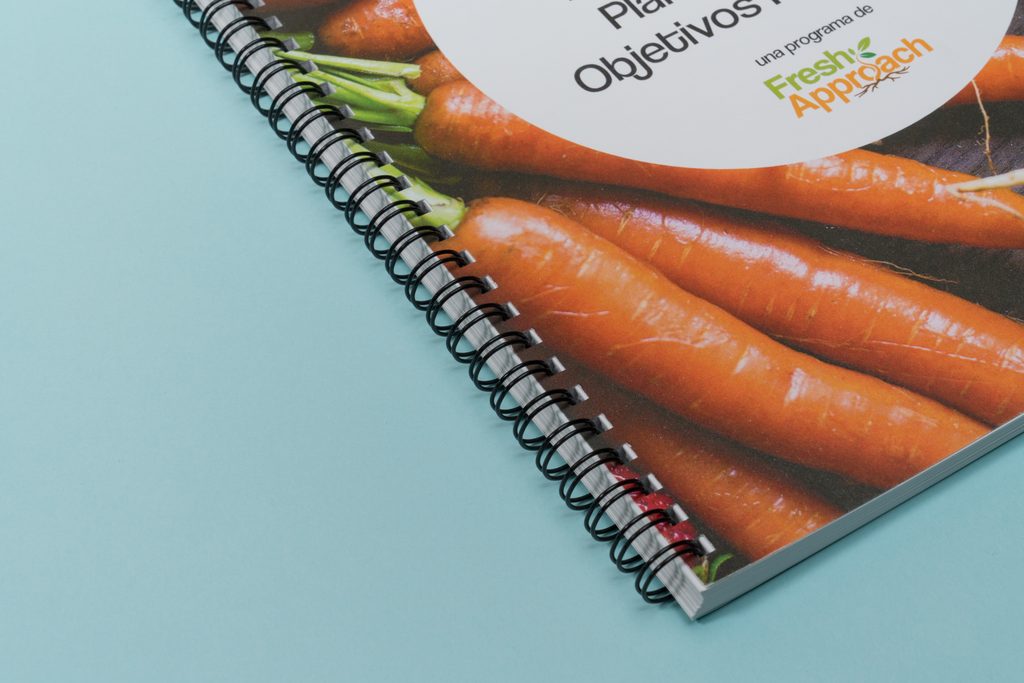
Spiral binding is flexible in terms of page count, but practical limits depend on the coil diameter used — larger coils accommodate thicker stacks of paper. Most spiral binding machines and services can handle anywhere from a handful of pages up to a few hundred, though very thick documents may be better suited to a different binding method like GBC (wire) binding or a hardcover option.
Can You Spiral Bind a Book at Home?
Yes — home and office spiral binding machines are widely available and allow you to punch and bind documents without professional equipment. That said, results and durability can vary based on machine quality, and for larger runs or a more polished, professional finish, working with a print shop is generally the better option.
Ready to Spiral Bind Your Project?
Whether you’re printing a cookbook, workbook, manual, or notebook, Greenerprinter can help you choose the right binding option — including spiral binding — to fit your project’s needs, sustainably and professionally.
Ready to bring your project to life? Greenerprinter offers a full range of sustainable printing options. Explore some of our most popular products:
Calendar Printing
Custom Calendars | Wall Calendars | Saddle-Stitched Calendars
Book & Booklet Printing
Custom Books | Custom Booklets | Saddle-Stitched Booklets | Zines | Catalogs
Brochure Printing
Custom Brochures | Tri-Fold | Bi-Fold | Gate Fold | Z-Fold