
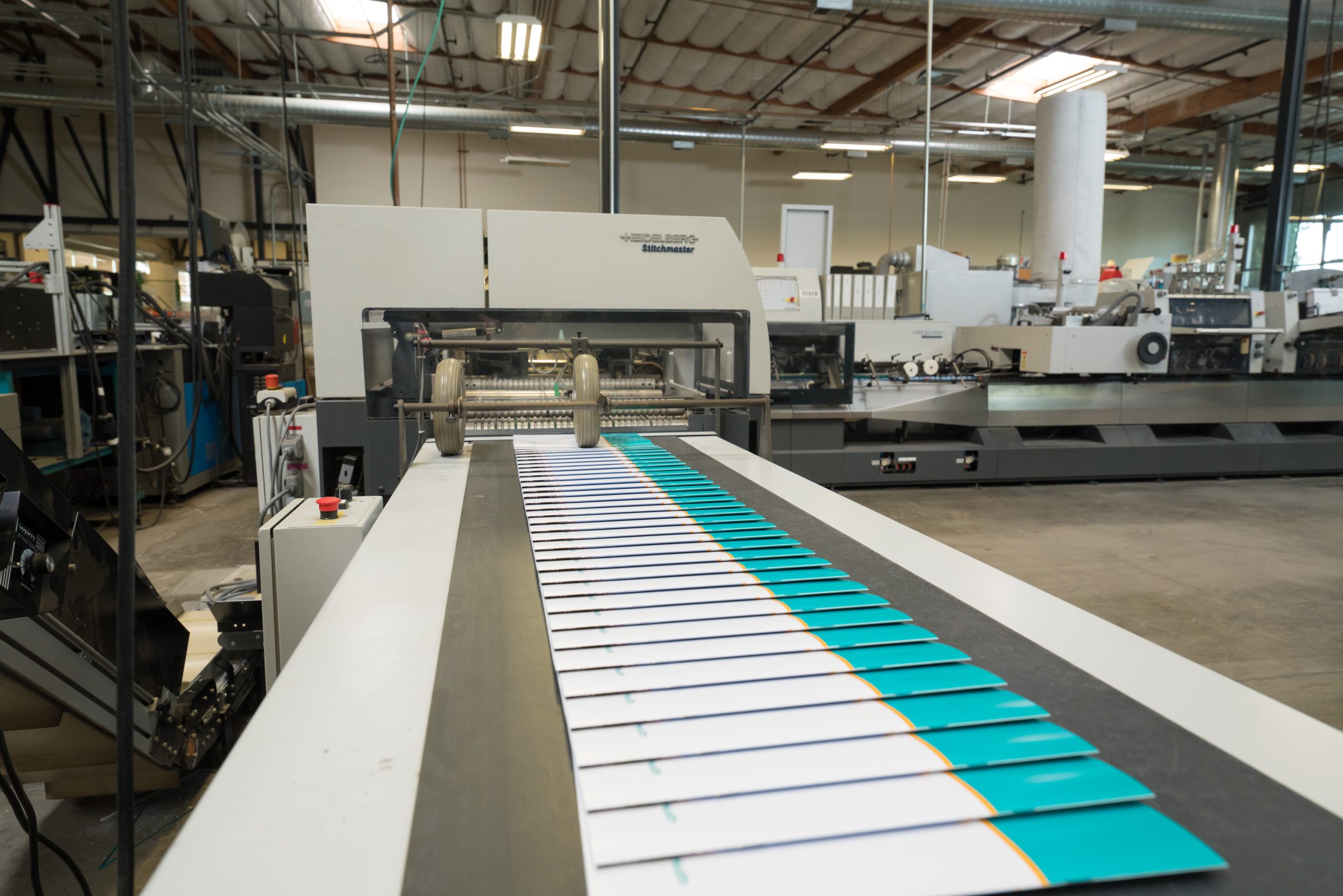
Printing doesn’t have to come at the planet’s expense. Whether you’re a business owner sourcing marketing materials or an individual curious what “eco-friendly printing” actually means, these five practices represent the biggest, most meaningful ways to reduce the carbon footprint of any print project.
What Is Eco-Friendly Printing?
Eco-friendly printing (also called sustainable or green printing) refers to printing practices and processes designed to minimize environmental impact — through material choices, energy use, waste reduction, and ink and chemical selection. It’s not a single certification or product, but a combination of practices working together across a print project’s full life cycle.
1. Use Recycled and Responsibly Sourced Paper
One of the most impactful choices you can make is the paper itself. Printing on post-consumer recycled paper reduces demand for virgin wood pulp and diverts used paper from landfills. When recycled content isn’t an option, look for paper certified by the Forest Stewardship Council (FSC), which verifies that virgin fiber comes from responsibly managed forests.
What to look for: A stated percentage of post-consumer recycled content (not just a general “eco” label), and FSC or similar certification for any virgin fiber used.
2. Choose Low-VOC or Vegetable-Based Inks
Traditional petroleum-based inks release volatile organic compounds (VOCs) into the air during and after printing. Vegetable-based inks (commonly made from soy or other plant oils) and low-VOC formulations significantly reduce these emissions while still delivering vibrant, high-quality color.
Why it matters: Lower VOC emissions mean better air quality during production and less environmental impact from the inks themselves, without sacrificing print quality.

3. Prioritize Energy-Efficient Production
Energy-efficient printing practices — such as using renewable energy sources, optimizing press run efficiency, and investing in modern, energy-efficient equipment — can significantly reduce the carbon emissions associated with production. Some printers also pursue carbon-neutral or carbon-offset programs to further reduce their overall footprint.
What to ask your printer: Whether they use renewable energy, track their carbon footprint, or offer carbon-neutral printing options.
4. Minimize Waste Throughout Production
Zero-waste and low-waste printing practices focus on reducing scrap material at every stage — from accurate pre-press planning that minimizes misprints, to recycling paper trim and scrap, to choosing print quantities that match actual need rather than over-ordering. This circular economy approach to printing keeps materials in use longer and reduces what ends up in landfills.
Simple ways to reduce waste:
- Print only the quantity you actually need
- Choose print-ready file setups to avoid costly reprints
- Ask your printer how they handle scrap paper and trim
5. Reduce Printing When Possible — and Print Smarter When You Do
Sustainable printing also means being thoughtful about when printing is necessary at all. The familiar reminder to “think before you print” still applies — digital-first workflows can reduce unnecessary printing for internal documents. But when printing is the right choice (as it often is for marketing, packaging, and physical products), printing smarter — with double-sided printing, right-sized quantities, and efficient layouts — reduces the footprint of the pieces you do produce.

Why Eco-Friendly Printing Matters
Print materials are a visible, tangible part of a brand’s environmental footprint. Choosing sustainable printing practices:
- Reduces landfill waste and conserves natural resources
- Lowers the carbon emissions associated with paper and ink production
- Supports the ongoing viability of recycling programs by creating demand for recycled materials
- Aligns your printed materials with the values your customers increasingly expect from brands
How to Choose an Eco-Friendly Printing Company
When evaluating whether a print provider is genuinely sustainable (rather than just marketed that way), look for specifics:
- Stated percentages of post-consumer recycled content, not vague “eco-friendly” claims
- FSC or similar chain-of-custody certification
- Use of vegetable-based or low-VOC inks
- Transparency about energy use and waste reduction practices
- A track record and specific examples, not just marketing language
Ready to Print Sustainably?
At Greenerprinter, sustainability isn’t an add-on — it’s built into everything we do, from recycled paper options and vegetable-based inks to energy-efficient production. We’ll help you choose the right combination of eco-friendly practices for your next print project.
Ready to bring your project to life? Greenerprinter offers a full range of sustainable printing options. Explore some of our most popular products:
Calendar Printing
Custom Calendars | Wall Calendars | Saddle-Stitched Calendars
Book & Booklet Printing
Custom Books | Custom Booklets | Saddle-Stitched Booklets | Zines | Catalogs
Brochure Printing
Custom Brochures | Tri-Fold | Bi-Fold | Gate Fold | Z-Fold