
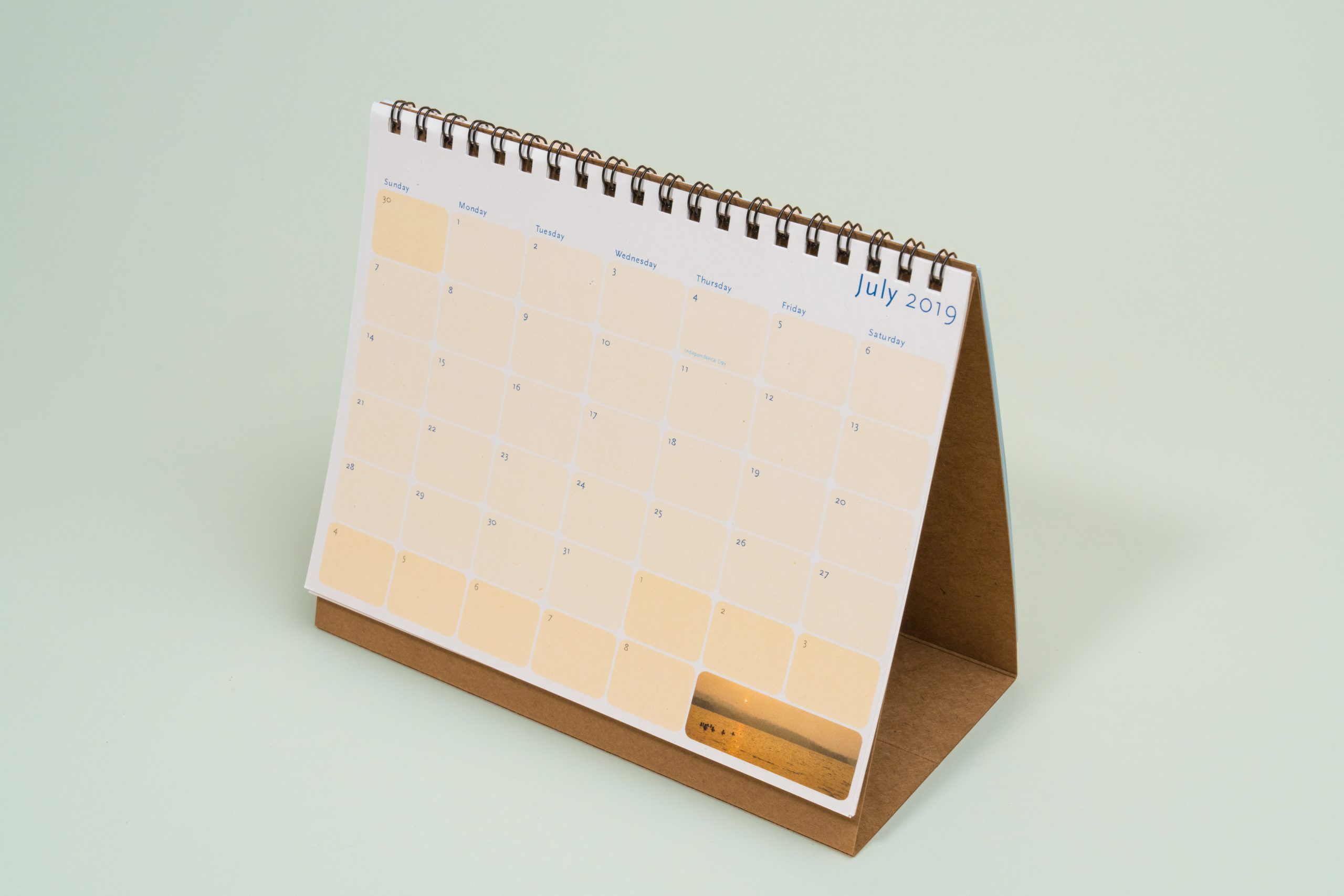
Even in a world of digital scheduling apps, desk calendars remain a staple on office desks everywhere. If you’ve searched “what is a desk calendar” or wondered whether they’re still worth having, this guide covers everything: their purpose, standard sizes, types, and how they stack up against wall calendars.
What Is a Desk Calendar?
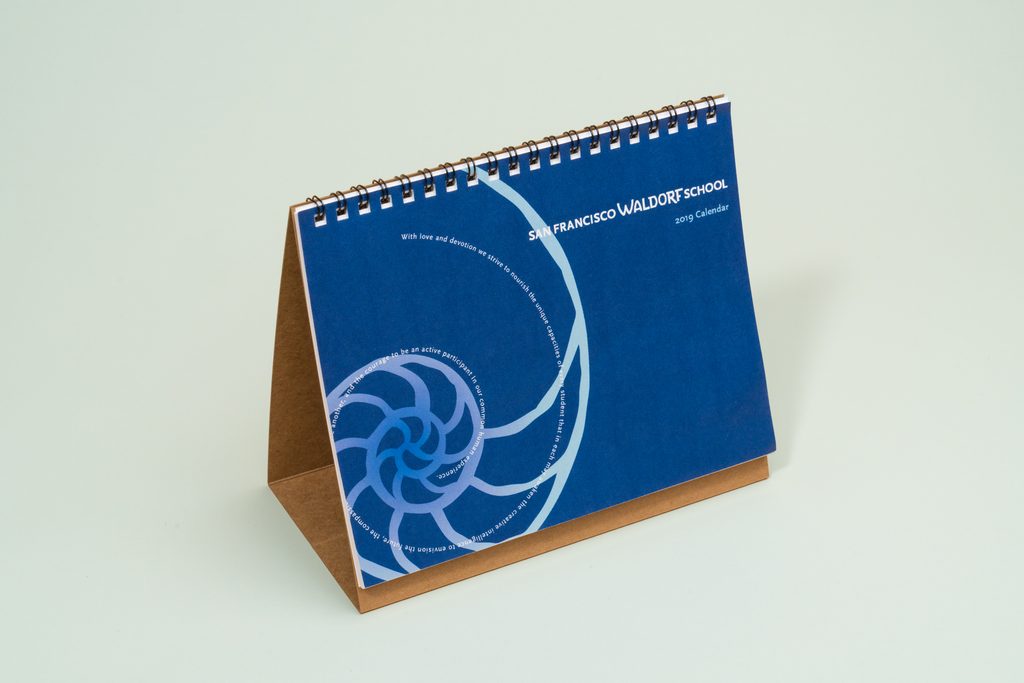
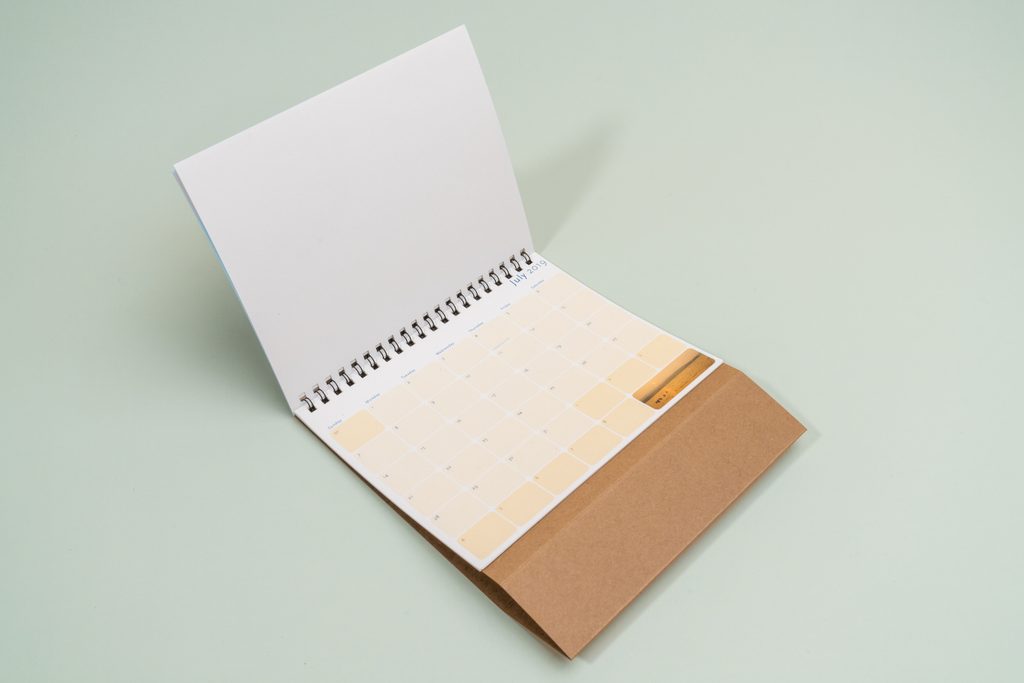
A desk calendar is a compact calendar designed to sit on a flat surface — typically a desk — rather than hang on a wall. Desk calendars usually come in one of a few formats: a flip-style calendar with a page for each day, week, or month; a tent-style calendar that stands upright; or a desk pad calendar that lies flat and doubles as a large notepad-style writing surface.
What Is the Purpose of a Desk Calendar?
The purpose of a desk calendar is to provide an easy, at-a-glance way to track dates, deadlines, and appointments right at your workspace — without needing to open an app or look away from your desk. Beyond basic date-tracking, desk calendars serve several practical purposes:
- Quick visual reference: Seeing the date and upcoming days at a glance, without unlocking a phone or opening software.
- Note-taking space: Many desk calendars (especially desk pad styles) provide room to jot down quick notes, reminders, or to-do items directly on the date.
- Branding and promotion: Businesses often use custom desk calendars as branded giveaways or client gifts, keeping their name visible on a recipient’s desk all year.
- Reducing screen time: Some people simply prefer a physical, tactile way to track dates rather than relying entirely on digital tools.
How Do You Use a Desk Calendar?
Using a desk calendar is straightforward: place it on your desk in a visible spot, and update or flip the page as needed (daily, weekly, or monthly, depending on the style). Many people use desk calendars alongside digital calendars — the desk calendar for a quick daily glance and physical notes, and a digital calendar for detailed scheduling, reminders, and shared appointments.
Are Desk Calendars Still Worth It?
Yes, for many people and businesses, desk calendars remain a worthwhile tool — though their role has shifted. Desk calendars are less about being someone’s only scheduling system and more about:
- Providing a low-effort, always-visible reference without needing a device
- Serving as an effective, long-lasting branded item for businesses (a client sees your logo every day for months)
- Offering a quick space for jotting notes, unlike most digital calendar apps
While plenty of people now rely primarily on digital calendars, desk calendars haven’t disappeared — they’ve found a complementary role rather than a replacement one.
Desk Calendar vs. Wall Calendar: Pros and Cons
| Desk Calendar | Wall Calendar | |
|---|---|---|
| Visibility | Only visible when at your desk | Visible from across the room |
| Space needed | Minimal desk space | Requires wall space |
| Note-taking | Often includes writing space | Limited writing space |
| Best for | Personal, daily reference at a workstation | Shared spaces, team scheduling, month-at-a-glance planning |
| Branding use | Great for client desk gifts | Great for office or retail visibility |
Neither is objectively better — desk calendars work well for personal, close-up daily use, while wall calendars are better suited for shared spaces or when you want visibility from across a room.
Standard Desk Calendar Sizes
Desk calendar sizes vary by style, but common standard sizes include:
- Desk pad calendars: Typically around 22″ x 17″, designed to cover a good portion of a desktop
- Flip/easel desk calendars: Commonly around 5″ x 8″ or 6″ x 9″, small enough to sit compactly on a desk
- Tent-style calendars: Often around 4″ x 6″ when folded into their standing shape
Custom sizes are also widely available depending on your specific design needs or branding goals.
Types of Desk Calendars
- Desk pad calendars: Flat, large-format calendars that double as a writing surface, often showing a full month per page.
- Flip calendars: Bound at the top or side, with individual pages you turn to reveal each day, week, or month.
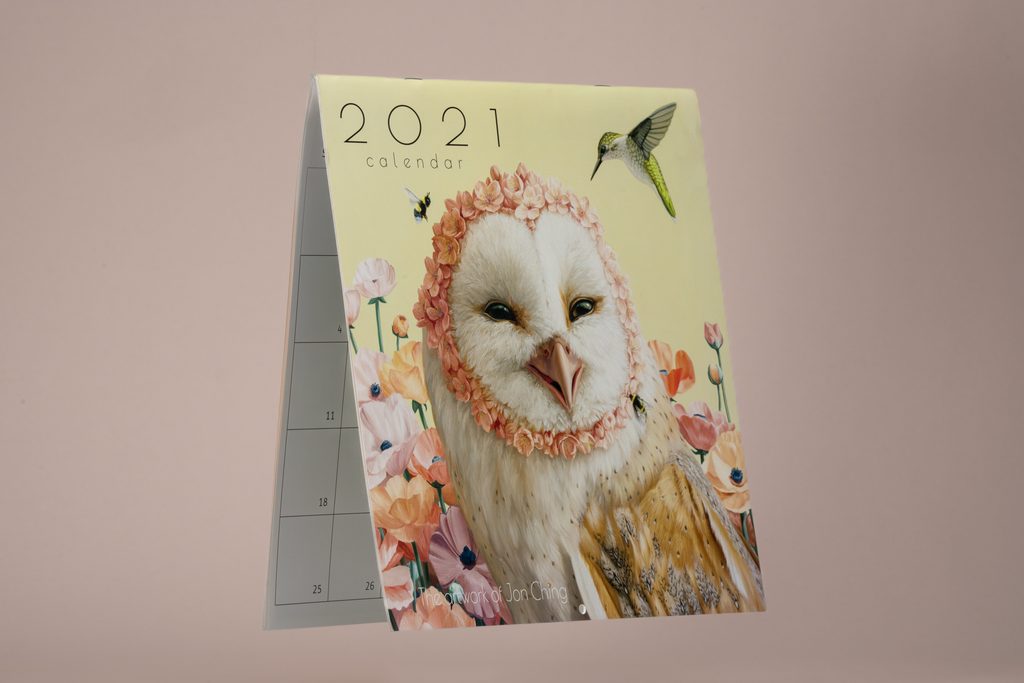
- Tent/easel calendars: Fold into a self-standing triangular shape, often used for smaller desk spaces.
- Cardboard/eco desk calendars: Made from recycled or sustainable cardboard stock, popular for eco-conscious branding.
Choosing the Right Desk Calendar
When choosing a desk calendar — whether for personal use or as a branded business item — consider:
- Available desk space: A desk pad needs more room than a small flip or tent calendar.
- How much you’ll write: If you plan to jot notes daily, a desk pad or larger flip format gives more room.
- Branding needs: For business giveaways, choose a size and format that keeps your logo visible without overwhelming the recipient’s desk.
- Sustainability: Recycled paper and cardboard options are widely available if eco-friendly sourcing matters to you.
Ready to Create Your Own Desk Calendar?
Whether you’re designing a personal desk calendar or a custom branded giveaway for clients, Greenerprinter can help you choose the right size, style, and sustainable paper option for your project.
Ready to bring your project to life? Greenerprinter offers a full range of sustainable printing options. Explore some of our most popular products:
Calendar Printing
Custom Calendars | Wall Calendars | Saddle-Stitched Calendars
Book & Booklet Printing
Custom Books | Custom Booklets | Saddle-Stitched Booklets | Zines | Catalogs
Brochure Printing
Custom Brochures | Tri-Fold | Bi-Fold | Gate Fold | Z-Fold