
What Is an Activity Book?
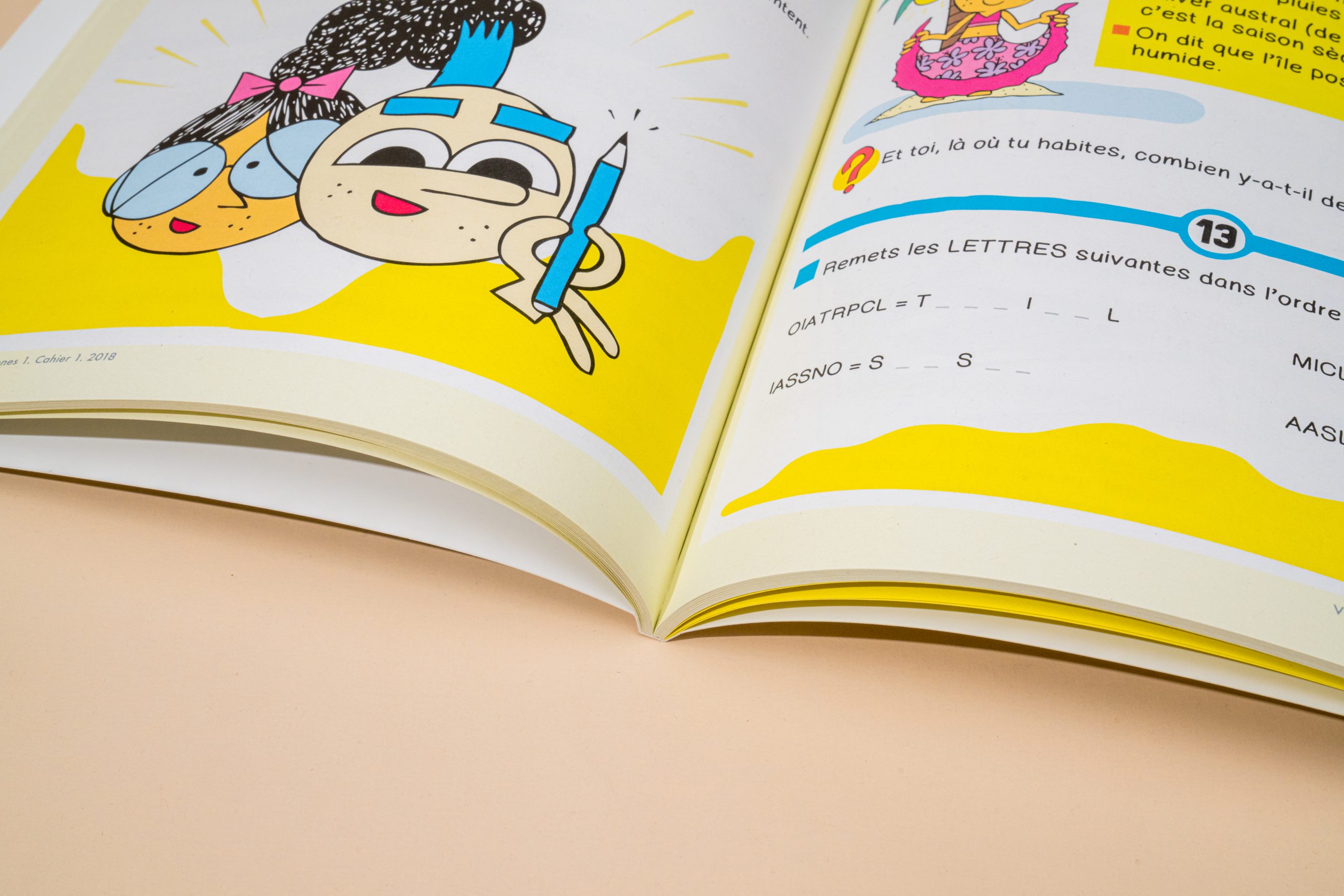
An activity book is a printed booklet filled with kid-focused activities — things like mazes, coloring pages, word searches, connect-the-dots, and simple puzzles — instead of a straight narrative like a picture book. Activity books (sometimes called activity booklets, workbooks, or exercise books) are designed to be written or drawn in, which makes them a great screen-free way to keep kids entertained at home, in a classroom, on a road trip, or in a waiting room.
For businesses, custom activity books also double as a low-key, high-goodwill marketing piece — a branded item parents actually hang onto instead of tossing.
Who Is Your Activity Book For?
Before you design a single page, get clear on your audience. If you’re a business creating a custom activity book, think about who your customers bring with them: a car mechanic’s activity books might be aimed at the kids of customers waiting on a repair, while a farmers’ association might design theirs around the kids who show up to a farmers market. Knowing your audience shapes everything else — the age-appropriate activity types, the reading level, and the overall theme.
If you’re making one for a specific age group, keep the activities matched to skill level: younger kids do better with big, simple mazes and coloring pages, while older kids can handle word searches, crosswords, and multi-step puzzles.
Activity Book Ideas: What to Include
Once you know your audience, pick a theme or topic to tie the whole book together — a season, a hobby, your brand’s world, or a single activity type (a maze-only book, for example). From there, mix and match activity types to keep pages varied:
- Mazes and connect-the-dots
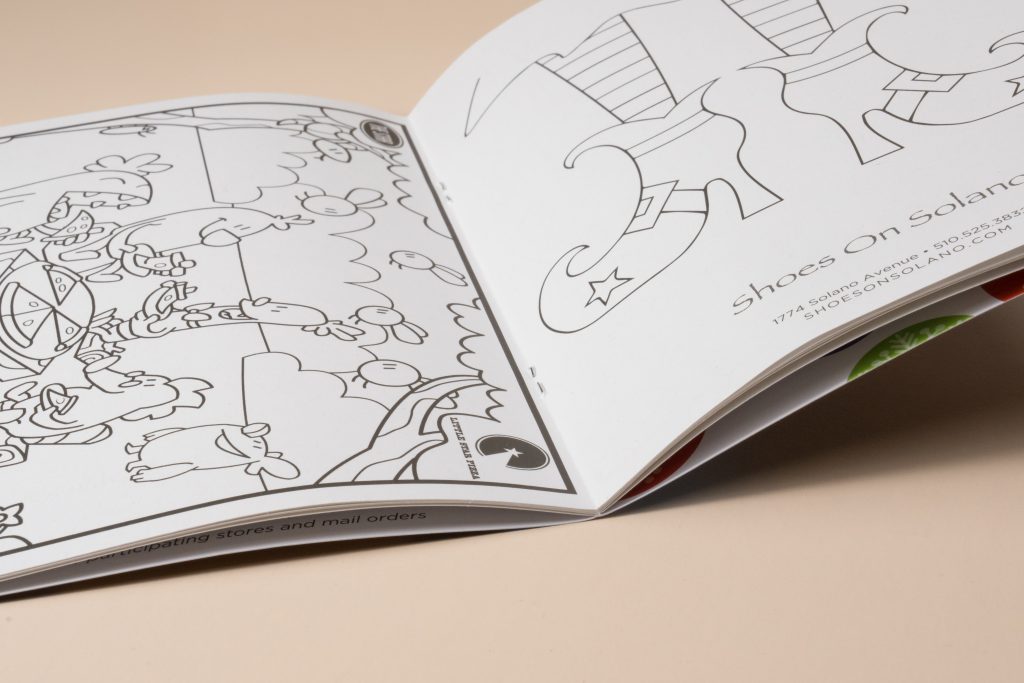
- Coloring pages
- Word searches and crossword puzzles
- Spot-the-difference and hidden object pages
- Simple trivia or fill-in-the-blank questions
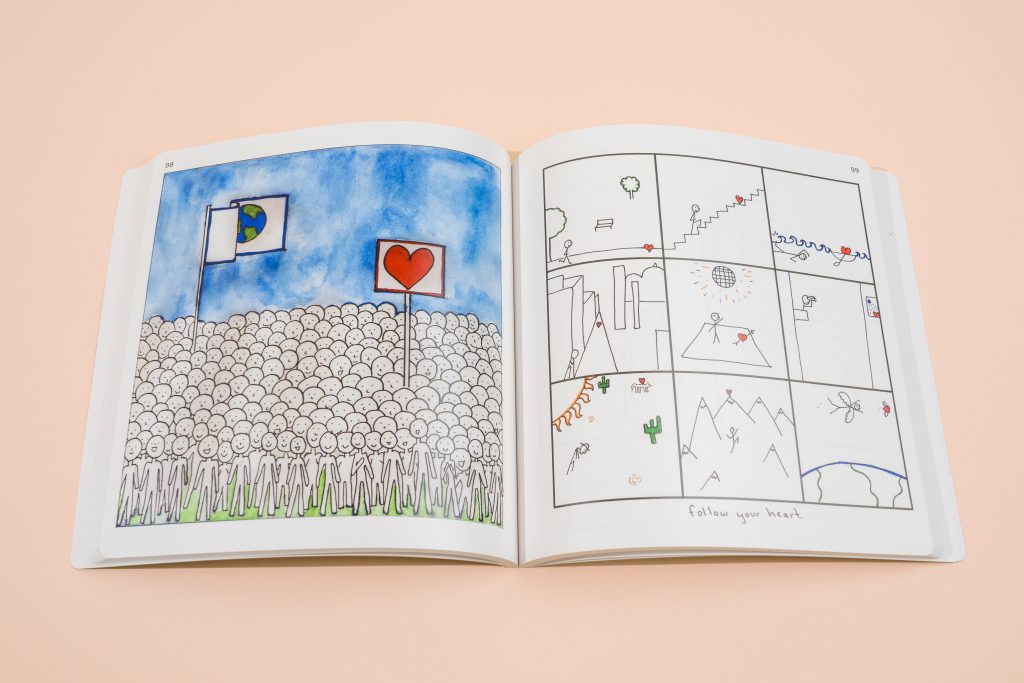
- Draw-your-own or design-your-own prompts
- Counting, matching, or simple math games
A good rule of thumb: don’t repeat the same activity type back-to-back. Alternating between quiet activities (coloring) and puzzle-solving activities (mazes, word searches) keeps the book feeling fresh from page to page.
How to Make a Custom Activity Book: Step-by-Step
1. Define Your Audience and Theme
Decide who the book is for and what theme ties it together, as covered above. This decision drives every design choice that follows.
2. Plan Your Mix of Activities
Sketch out a simple page-by-page outline: how many pages total, and which activity types go where. This keeps you from ending up with 20 mazes and nothing else.
3. Design and Decorate Your Pages
This is where the book actually comes to life. A few things that make activity book pages read well for kids:
- Use large, easy-to-read fonts — kids’ activity books should never rely on small, dense text
- Fill pages with plenty of illustration and color rather than large blocks of empty space
- Keep one clear activity per page so it doesn’t feel cluttered
- Use a consistent color palette or border style across pages so the book feels cohesive, not thrown together
4. Use a Template or Activity Book Maker
You don’t need to design from a blank page. Tools like Canva offer activity-book and worksheet templates you can customize with your own theme, colors, and branding, which is an easy starting point if you’re not working with a professional designer.
5. Personalize It
If you’re making a personalized activity book — for a specific child, classroom, or customer base — this is the step to add names, a custom cover, or branded elements like a logo or company mascot woven into the activities.
6. Export and Prepare Your Print File
Once your pages are finished, export the full book as a print-ready PDF. Double-check page order, bleed, and resolution before sending it off — most print issues trace back to a file that wasn’t set up for print at this stage.
7. Choose a Binding Style and Print
Custom activity books can be bound a few different ways, and the right one depends mostly on page count and how the book will be used:
- Saddle-stitched (stapled): best for shorter, lightweight activity books
- Perfect binding: a good fit for thicker activity books with higher page counts
- Wire-O (spiral) binding: lets the book lie completely flat and fold back on itself — useful if kids will be writing or coloring directly on the pages
An uncoated interior paper is worth choosing if kids will be coloring or writing in the book, since it holds crayon, marker, and pencil more cleanly than a coated stock.
FAQ: Quick Answers About Making Activity Books
What is an activity book? A printed booklet of kid-focused activities — mazes, coloring pages, puzzles, word searches — designed to be written or drawn in rather than simply read.
How do I make an activity book for kids? Define your audience and theme, plan a mix of activity types, design the pages with large text and bold illustration, then export as a print-ready file and choose a binding style suited to your page count.
What should I include in a kids’ activity book? A mix of activity types works best — mazes, coloring pages, word searches, matching games, and simple puzzles — alternating quiet and puzzle-solving activities to keep pages varied.
What paper should I use for an activity book kids will color or write in? Uncoated paper is the better choice — it takes crayon, marker, and pencil more cleanly than a coated, glossy stock.
How do I decorate or design an activity book? Keep fonts large and easy to read, fill pages with illustration and color rather than empty space, and use a consistent visual style (colors, borders) across every page.
Ready to bring your project to life? Greenerprinter offers a full range of sustainable printing options. Explore some of our most popular products:
Calendar Printing
Custom Calendars | Wall Calendars | Saddle-Stitched Calendars