
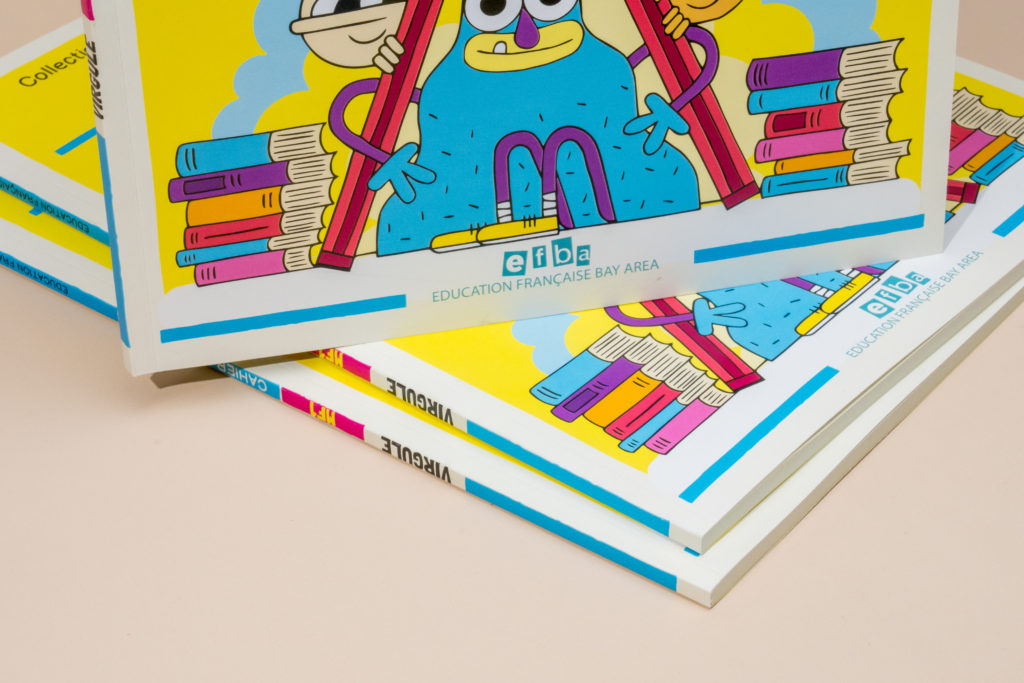
Bringing your comic book idea from rough sketches to a printed story is exciting, but it can also feel like a big leap. With the right steps and the right comic book printer, the process becomes far less intimidating – and even fun. If you’ve been searching for straightforward advice on comic book printing, you’re in the right place.

How to Make a Comic Book
Creating a comic combines creativity with technical preparation. Here’s a roadmap that works for both first-time creators and seasoned illustrators:
Step 1: Develop Your Script and Concept
Start with your story. Break it into scenes and think about pacing. A clear script helps guide panel layout and dialogue placement later.
Step 2: Create Your Artwork
Digital tools like Clip Studio Paint, Procreate, or Photoshop make it easy to draw and color panels. Traditional hand-drawn art is just as powerful; just be sure to scan at 300 dpi or higher for crisp printing.
Step 3: Plan Your Layout and Lettering
Arrange panels using design software such as InDesign. Pay close attention to gutters, speech bubble placement, and overall flow. Strong lettering is just as important as great artwork for readability.
Step 4: Prepare Print-Ready Files
Good files save time, protect your artwork, and keep production on schedule. Here’s a practical way to prep pages so your comic prints cleanly and consistently:
- Export single-page PDFs (not spreads), all pages in reading order.
- Bleed: 0.125″ on all sides. Safe area: keep key art/text 0.25″ inside trim.
- Resolution: 300 dpi for images; 600 dpi for line art.
- Color: Convert artwork to CMYK using our preferred profile.
- Fonts: Embed or outline; avoid late font substitutions.
- Black ink: Use rich black for fills (e.g., C60 M40 Y40 K100) and 100% K for small text.
Double-check your file setup details before sending to your comic book printer to avoid surprises.
Step 5: Choose a Printing Partner
Find a printer who is as dedicated to printing your comic book as you are in creating it. At Greenerprinter, our specialists review files for common pitfalls, recommend paper and binding that fit your art style and budget, and guide you through custom comic book printing options.

Comic Book Printing Factors
Every decision you make in the printing stage affects cost, look, and feel. Here are the main considerations:
Paper Stock
Glossy: Best for bright colors, often used for mainstream comics.
Matte/Uncoated: A softer, more artistic look, great for indie or alternative comics.
Recycled options: Eco-friendly stocks that support sustainable printing without sacrificing quality.
Binding Style
Saddle-stitched: Saddle stitched booklets have staples along the spine; best for shorter comics (up to ~64 pages).
Perfect binding: A square spine, like graphic novels; ideal for longer comics.
Size Options
The standard U.S. comic book size is 6.625″ x 10.25″. Custom sizes are available if you want to stand out on the shelf or online.
Color Choices
Full color shows off bold, detailed artwork. Black-and-white is more affordable and can deliver a dramatic, classic style.
Quantity
Short-run digital printing is perfect for creators testing the waters. Larger offset runs reduce cost per unit, making them better for wide distribution.
Custom Comic Book Printing
Customizing your comic allows you to match the final product to your vision:
- Specialty covers with UV coating or soft-touch lamination add durability and style.
- Unique trim sizes or square formats help your book catch attention.
- Premium paper choices enhance the feel in readers’ hands.
Custom comic printing is especially valuable for crowdfunded projects, limited editions, or indie publishers trying to stand out.
How Much Does It Cost to Print a Comic Book?
Pricing is one of the most common questions new creators ask. Costs depend on specifications, but here are the main factors:
- Page count: More pages = higher cost.
- Quantity: Higher quantity reduces per-piece pricing. For example, printing 50 copies may cost $5-$10 per book, while 500 copies can drop to $2-$3 per book.
- Color vs. black and white: Full color costs more, but offers more impact.
- Paper and binding: Premium stocks or perfect binding add to the budget.
A Note About Distribution and ISBN Basics
Distribution depends on how you plan to share your work. Think of ISBNs as optional for personal sales but valuable for wider reach.
Direct sales: If you’re selling at conventions, through your own website, or via crowdfunding platforms, an ISBN isn’t required.
Retail distribution: If you want your comic in bookstores, libraries, or major online retailers, an ISBN makes it easier to track and sell your book.

Greenerprinter: The Best Comic Book Printing Service
At Greenerprinter, we specialize in making comic book printing straightforward for creators, while helping reduce the environmental impact of every project. From short-run indie comics to large-batch graphic novels, we guide you through file setup, paper selection, and finishing touches.
What makes us different:
- Recycled paper options that look and feel professional.
- Vegetable-based inks that produce rich, saturated color.
- Energy-efficient processes that minimize the environmental footprint of your project.
- Decades of experience producing high-quality custom print projects
- Flexible short-run and bulk printing options for every type of creator
Eco-conscious printing doesn’t limit your creative vision; it enhances it while aligning your comic book with values readers appreciate. If you’re ready to bring your comic to life with a sustainable comic book printer, we’d love to help. Explore our comic book printing options and see how we can make your book stand out.
Ready to bring your project to life? Greenerprinter offers a full range of sustainable printing options. Explore some of our most popular products:
Book & Booklet Printing
Custom Book Printing | Custom Booklet Printing | Saddle-Stitched Booklets | Zines | Catalogs | Custom Calendars