
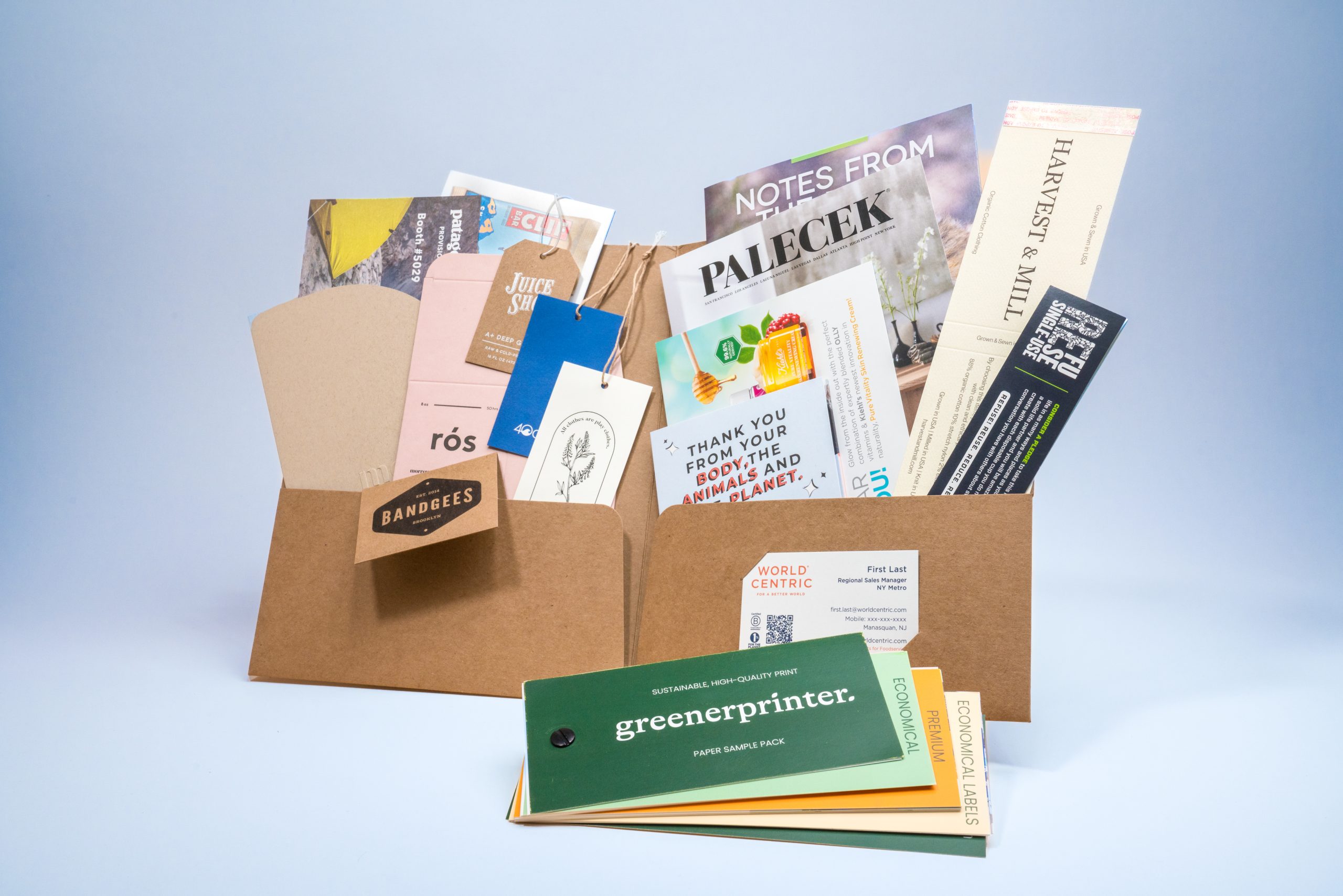
Choosing the right paper finish can significantly impact the look, feel, and performance of your printed materials. Whether you’re printing calendars, brochures, or direct mail, understanding the differences between matte and glossy finishes helps you make smart, effective choices.
Understanding the Basics: Matte Finish vs Glossy
Matte paper has a flat, non-reflective surface that offers a subtle texture and muted color appearance. It’s ideal for designs where readability, softness, or a more understated aesthetic is important.
Glossy paper, on the other hand, delivers a smooth, reflective finish that makes colors pop – great when you want images to stand out at a glance.
| Feature | Matte Finish | Glossy Finish |
| Surface Texture | Flat, non-reflective, soft feel | Smooth, shiny, reflective surface |
| Color Appearance | Muted, softer tones | Bold, vibrant, high contrast colors |
| Write-ability | Easy to write on with pens or pencils | Difficult to write on; ink may smudge |
| Professional Feel | Understated, refined, elegant | Bold, polished, premium |
| Perceived Thickness | Feels more substantial at the same weight | May feel thinner due to slick surface |
| Fingerprint Resistance | High | Low |
| Photo Reproduction | Softer image quality, less detail pop | Sharp, high-contrast image output |
Factors When Choosing Between Glossy Paper vs. Matte Paper for Printing
Several elements come into play when selecting a paper finish. Consider the purpose of the piece, its intended audience, how it will be handled, and how you want the final print to appear.
Budget, durability, and lighting conditions also matter – especially for display prints or promotional materials.
Matte Paper: The Pros and Cons
Matte paper is loved for its elegant, glare-free look. It works well for text-heavy materials, muted color palettes, and pieces that will be handled frequently.
Matte Paper Pros:
- Easier to read under various lighting conditions
- Resistant to fingerprints and smudges
- Offers a sophisticated, soft aesthetic
- Ideal for minimalist or professional designs
Matte Paper Cons:
- Slightly duller color reproduction
- Not as sharp for high-contrast images
- May show wear more easily over time
Glossy Paper: The Pros and Cons
Glossy finishes are often chosen for high-impact visuals and marketing collateral. The shine boosts vibrancy and contrast, making details stand out.
Glossy Paper Pros:
- Rich, vibrant color output
- Sharp image reproduction
- High-quality, polished look for visual materials
Glossy Paper Cons:
- Glare under strong lighting
- Prone to fingerprints and smudging
- More difficult to write on
Key Differences: A Quick Look at What Sets Them Apart
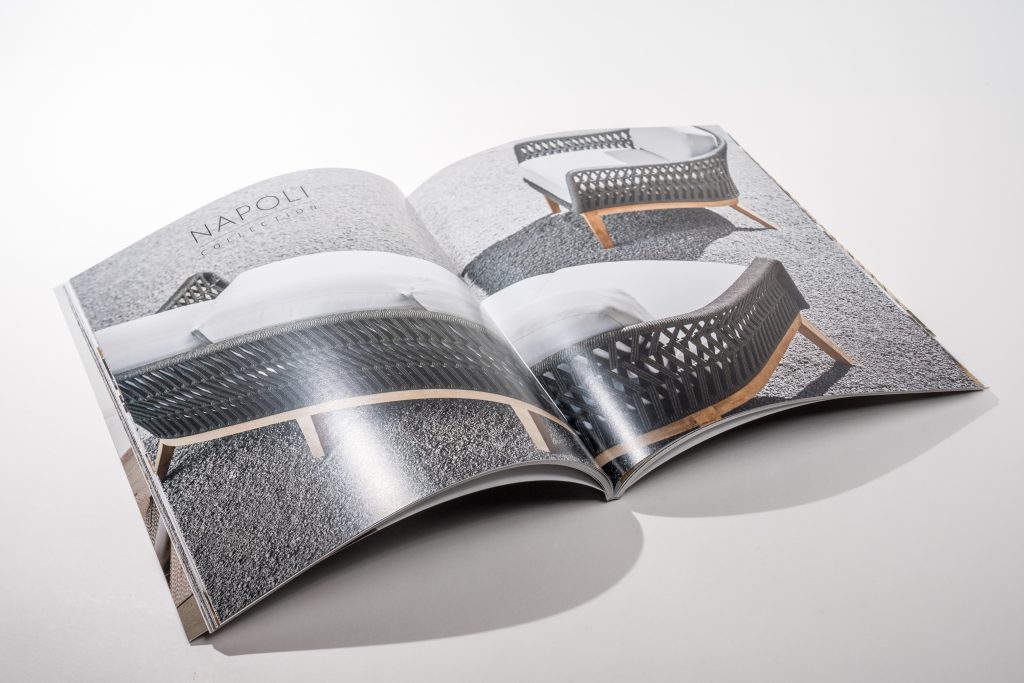
When comparing matte vs glossy side by side prints, the difference in color saturation and reflection is immediately noticeable.
Matte absorbs more light, offering a softer, more muted result, while glossy reflects light, giving printed images more contrast and shine. Glossy tends to highlight bold visuals; matte supports subtlety and readability.
In tactile feel, matte is often smoother and more velvety. Glossy is slick and glassy. The finish you choose will influence not only the visual experience but also how the piece is interacted with physically.
Paper Weight and Thickness Considerations
Paper finish impacts perceived paper weight. When selecting items like folders or packaging, a heavier matte stock can give a premium, structured feel.
Glossy finishes can feel thinner due to their slick surface, while matte can feel sturdier and more substantial in hand – even at the same weight. For example, a 100 lb. gloss brochure may feel more delicate than a 100 lb. matte version of the same piece.
Glossy paper in heavier weights can work well for calendars and card decks, offering durability and vivid detail without compromising on a professional finish.
Is it Better to Print Glossy or Matte?
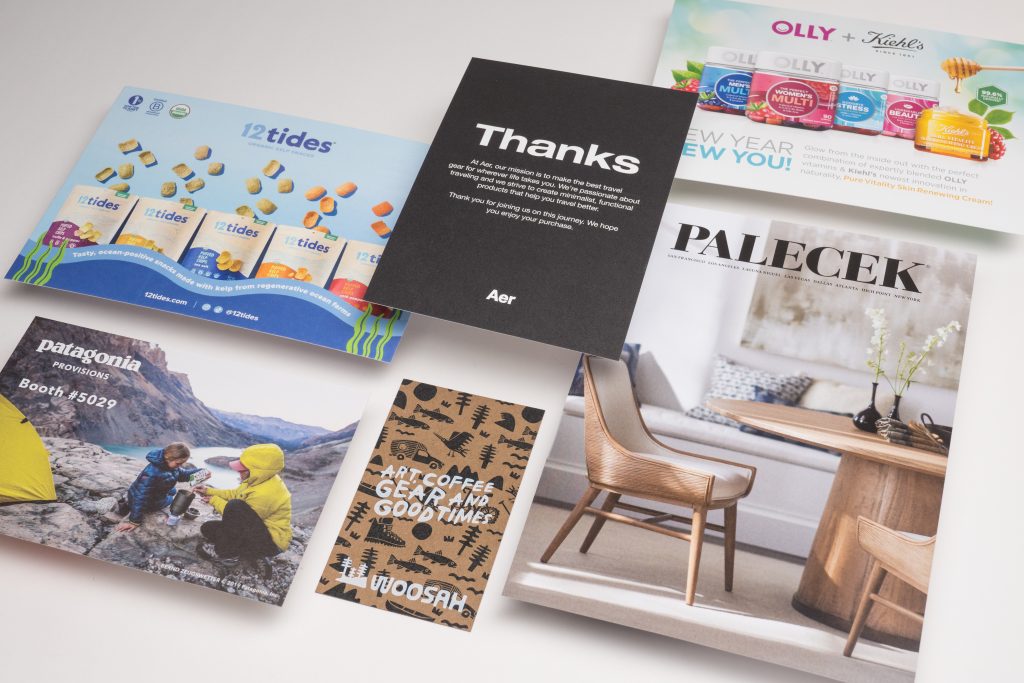
There isn’t a one-size-fits-all answer. It depends on your goals. If your print needs to be photo-forward and impactful, glossy is likely the better fit. For readability and elegance, matte is more appropriate. Consider the setting, audience, and function of the piece when choosing.
Which Finish is Best for Your Project?
Consider what you want your readers to feel or notice. Use matte for:
- Business essentials like folders or stationery
- Wedding Programs & invitations with refined or handwritten designs
- Calendars for easy handwritten notes
Consider choosing glossy for:
- Image-forward brochures and catalogs
- Direct mail with bold calls to action
- Card decks where bold designs shine
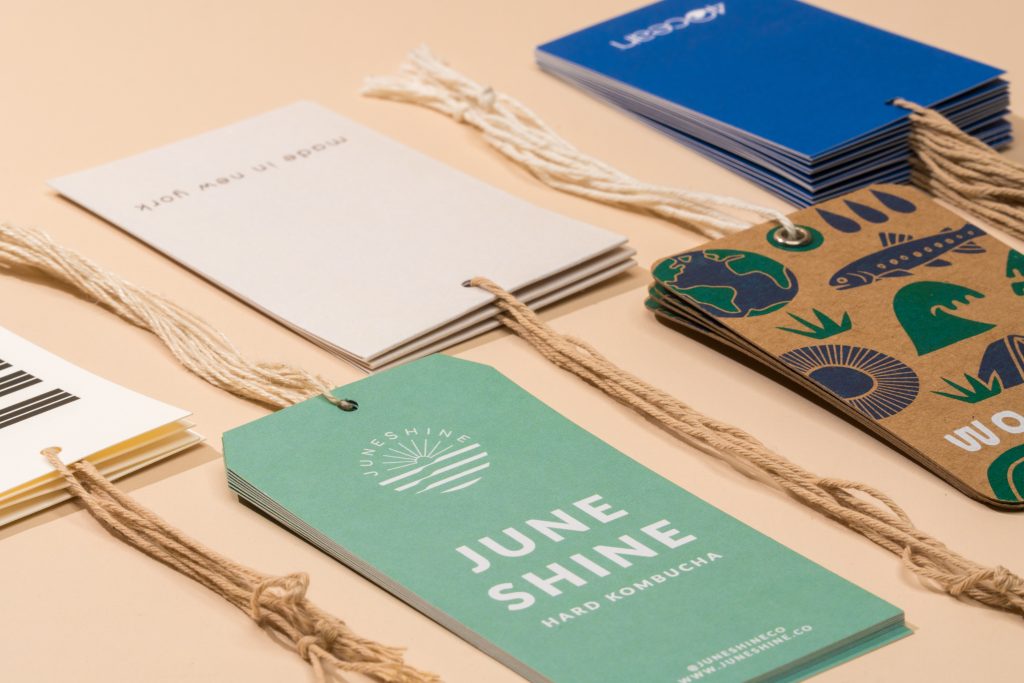
- Hang tags with a clean, elegant look
Which Lasts Longer: Glossy or Matte?
Durability depends more on handling and environment than paper type. Glossy paper is often coated to resist fading, but it’s more susceptible to visible damage like fingerprints and scratches. Matte paper hides minor imperfections better, though it can wear down faster under friction or moisture.
What Looks More Professional, Matte or Glossy?
Professionalism depends on the content. Matte paper often projects sophistication and is less distracting in business settings. Glossy has a bold, premium feel that can elevate visuals when appropriate.
Does Matte or Glossy Look More Natural?
Matte tends to present a more natural, true-to-life appearance. Its lack of shine avoids exaggerated contrasts, making it a popular choice for calendars, cards, and invitations, and folders where realism and authenticity are high priority.
Are There Other Paper Stock Options?
Of course, at Greenerprinter, you’re not limited to just matte or glossy. There are additional finishes to consider:
Silk paper: Silk offers a smooth, luxurious feel similar to matte but with a light sheen that adds a refined finish. It resists fingerprints better than gloss and offers strong image clarity without the shine of a full gloss. It’s well suited for high-end brochures, packaging, and folders where touch and appearance both matter.
Uncoated stock: No finish at all, suitable for writable surfaces like business essentials.
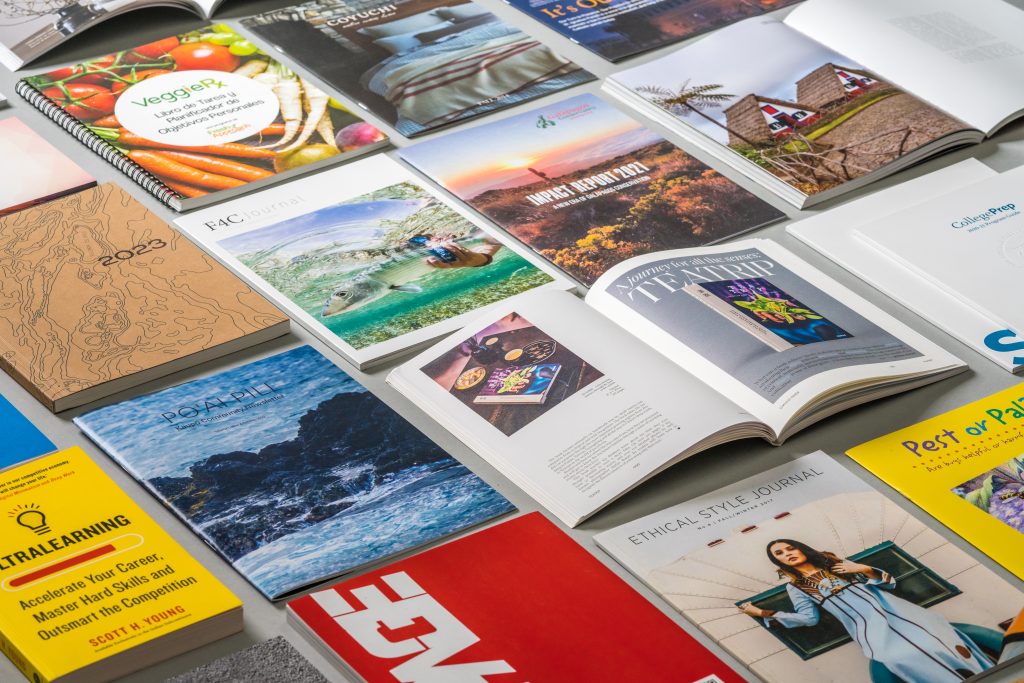
Matte vs Glossy: Which Should You Choose for Your Print?
Ultimately, the decision comes down to how the printed piece will be used and what message you want to convey. Glossy always wins for high-color imagery and presentation pieces. While matte is better suited to clean, minimalist, or formal applications.
For any print project, we can walk you through finish options, stock samples, and sustainability considerations. Let us help you create prints that reflect your design vision and values.
Ready to bring your project to life? Greenerprinter offers a full range of sustainable printing options. Explore some of our most popular products:
Calendar Printing
Custom Calendars | Wall Calendars | Saddle-Stitched Calendars
Book & Booklet Printing
Custom Books | Custom Booklets | Saddle-Stitched Booklets | Zines | Catalogs
Brochure Printing
Custom Brochures | Tri-Fold | Bi-Fold | Gate Fold | Z-Fold