
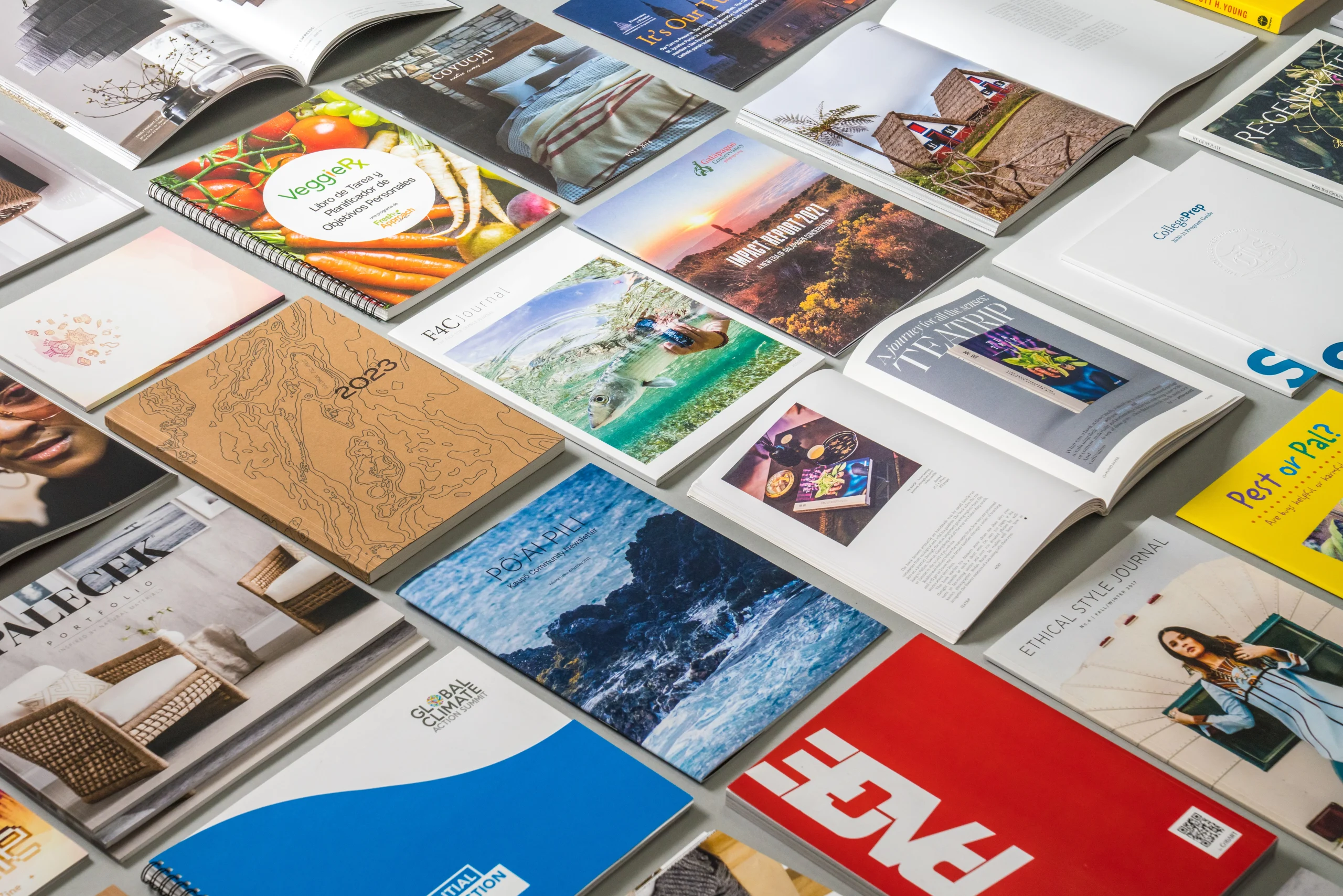
Softcover book printing is a reliable and accessible way to professionally present a wide range of materials, from novels and memoirs to training guides and product catalogs. However, successful results depend on more than just uploading a file and clicking print. Our practical, expert-backed tips will help you print a paperback that meets both your expectations and your readers’ needs.
Paperback / Softcover Book Options
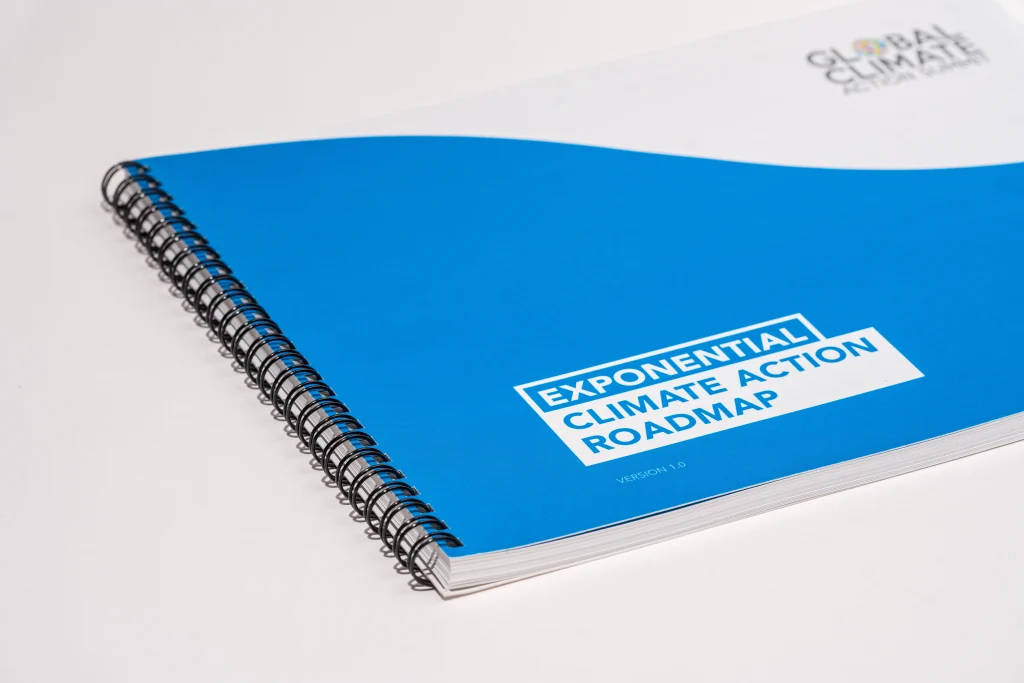
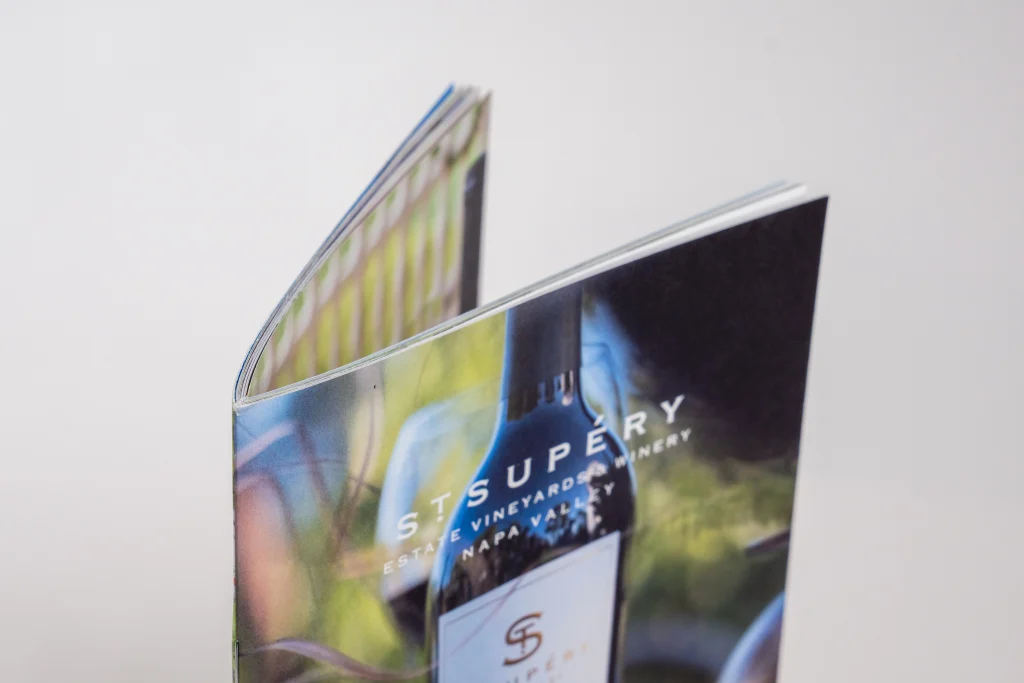
Most softcover books use perfect binding, which stacks and glues pages to a printed cover, creating a clean, square spine. Other styles, like saddle-stitching or spiral binding, can work well for booklets, manuals, or workbooks.
From paper selection to layout planning, every choice matters in the final look and feel of your book. But don’t worry, we are here to guide you through the process with clarity, help you avoid common mistakes, and give your paperback project the professional finish it deserves.
1. Understand Your Binding Options
Perfect binding is ideal for books with a spine, typically 40+ pages. For fewer pages or specialty use cases, you might consider saddle-stitched or coil-bound options.
If you’re unsure which to choose, talk to your printer early in the process. The right binding method will support both usability and longevity.
2. Work With a Printing Specialist
Working with a print partner offers more than just convenience. It gives you access to personalized support, hands-on proofing, and faster turnaround times.
At Greener Printer, we collaborate with customers at every stage, helping you avoid costly errors, simplify decisions, and keep your project on schedule. For softcover printing, our expertise makes a noticeable difference.
3. Choose the Right Book Size
Standard sizes like 5.5″ × 8.5″ or 6″ × 9″ are popular for fiction and nonfiction. Square and landscape formats are better suited for visual content like photography or design portfolios.
Choosing a common size can help keep production more economical. But if your content calls for a custom format, we can help you build a layout that works without compromise.
4. Start With a Well-Designed Interior
Thoughtful design supports readability, print clarity, and brand perception. Pay attention to both your interior layout and cover design.
Typeset the interior pages before designing your cover
Spine width is calculated based on the final page count. Start with your interior file so you can design the cover layout accurately, including spine text and barcode placement.
5. Select a Durable Cover Finish
Cover coatings affect the book’s appearance and durability.
- Matte coating offers a soft, non-reflective look
- Gloss coating enhances color vibrancy and resists wear
- Soft-touch lamination gives a smooth, premium feel
These choices impact how your book is perceived, especially in retail settings or when handed directly to clients or customers.
6. Understanding Paper Finishes
Paper finish plays a key role in both readability and visual impact. Greener Printer offers a range of finishes, each suited to different types of content and usage.
Glossy paper has a noticeable shine that enhances image contrast and color intensity. It’s often used for photo-heavy projects or marketing materials. However, glare can sometimes make large blocks of text harder to read, especially under bright light.
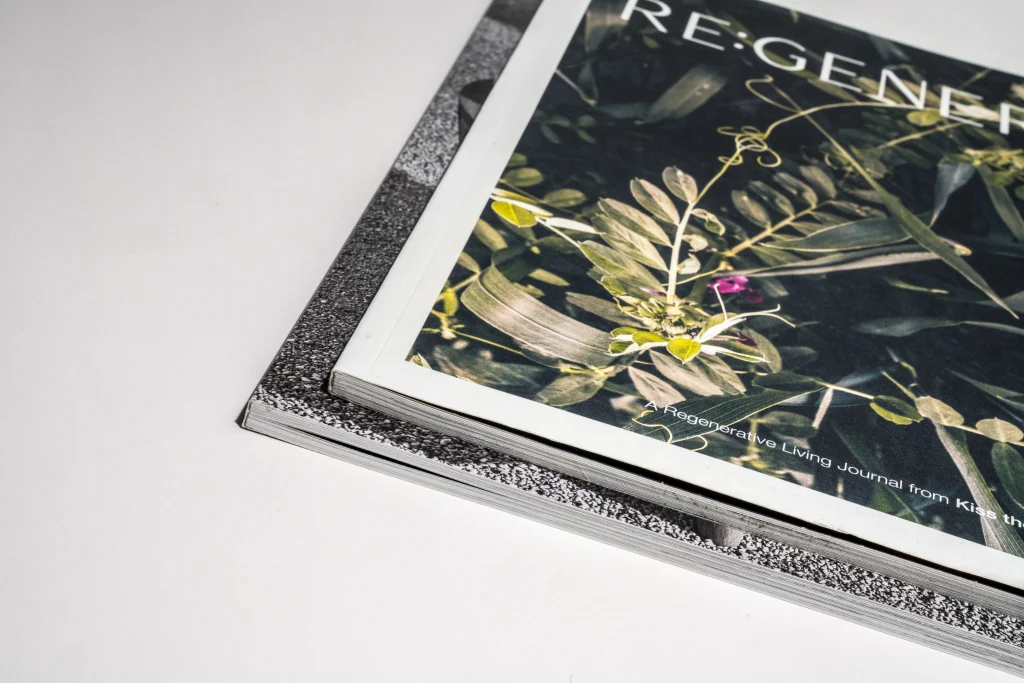
Matte paper (sometimes referred to as silk) has a softer appearance. It’s coated like glossy stock but with less sheen, offering a more muted finish that still preserves color richness without the reflective glare.
Uncoated paper has a natural texture. It’s ideal for books meant to be written in, like journals, handbooks, coloring books, and activity books, since ink won’t smudge and writing feels smooth and direct on the page.
If you’re unsure which finish will best support your content, we’re happy to send samples or walk you through the options.
We’ll help you match the right paper type and weight to your book’s purpose and design, balancing quality with production cost. You can even order a paper sample kit to feel our papers in hand.
7. Get the Correct Spine Width
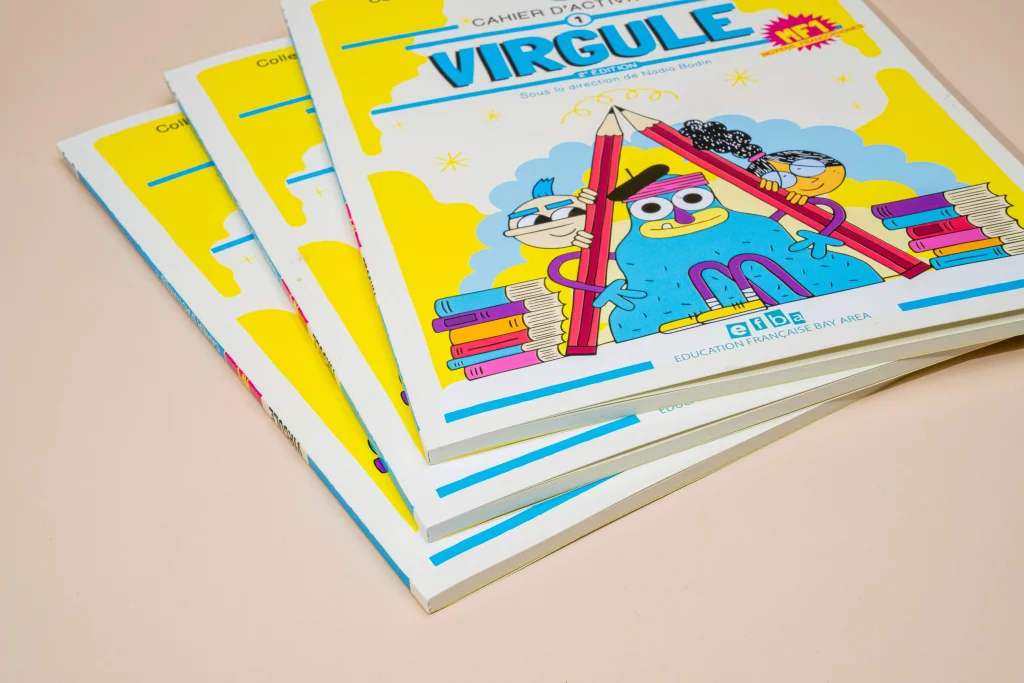
Once your interior layout is complete, your printer can calculate the exact spine width based on your page count and paper type. Accurate spine measurements are essential for a properly aligned cover. Especially if your design includes wraparound artwork or spine text. Many paperback books include text and/or imagery on the spine.
8. Balance Quantity With Budget: Print Runs and Cost Planning
Small runs are typically printed digitally, offering a lower barrier to entry, especially for self-publishers or small brands.
Larger quantities may benefit from offset printing, which reduces cost per unit.
We help customers evaluate quantity, print method, and budgeting, so you can make confident decisions based on your timeline and goals.
9. Review a Proof Before You Print
Before moving to production, always request a proof. This is your final opportunity to confirm layout accuracy, image quality, color consistency, and trim alignment.
Hard copy proofs are printed samples that show exactly how your book will look and feel; ideal for reviewing paper texture, spine fit, and overall presentation.
Soft proofs (PDF or digital previews) are faster and more cost-effective. They’re useful for checking layout and basic visual flow, but won’t reflect final colors or print characteristics.
Depending on your timeline, budget, and level of review needed, we can help you choose the right proofing method.
At Greener Printer, we offer both digital and physical proofs depending on your timeline and needs.
10. Plan for ISBN and Barcode Setup
If you plan to sell your book through retail or distribution channels, you’ll need an ISBN and a barcode. If you already have one, include it in your design. If not, your printer may be able to generate it for you.
Why Choose Softcover To Print A Book?
Paperback books are durable, portable, and cost-effective. They’re well-suited for authors, small businesses, nonprofits, educators, and creatives alike.
Softcover options offer high production value without the investment required for hardcover. And with thoughtful design and professional printing, they can be every bit as polished and shelf-worthy.
Print the Softcover Book of Your Dreams With Our Tips
Your paperback project deserves thoughtful production, reliable quality, and the kind of print expertise that makes the process easy. At Greener Printer, we combine sustainable materials with high-end commercial printing to help you create a softcover book that reflects your work at its best.
Let’s bring your book to print – with precision, support, and results you’ll be proud of.
Ready to get started with sustainable print & packaging? Check out Greenerprinter’s Packaging Sleeves & Hang Tags
Ready to bring your project to life? Greenerprinter offers a full range of sustainable printing options. Explore some of our most popular products:
Calendar Printing
Custom Calendars | Wall Calendars | Saddle-Stitched Calendars
Book & Booklet Printing
Custom Books | Custom Booklets | Saddle-Stitched Booklets | Zines | Catalogs
Brochure Printing
Custom Brochures | Tri-Fold | Bi-Fold | Gate Fold | Z-Fold