
What Is Traditional Ink?
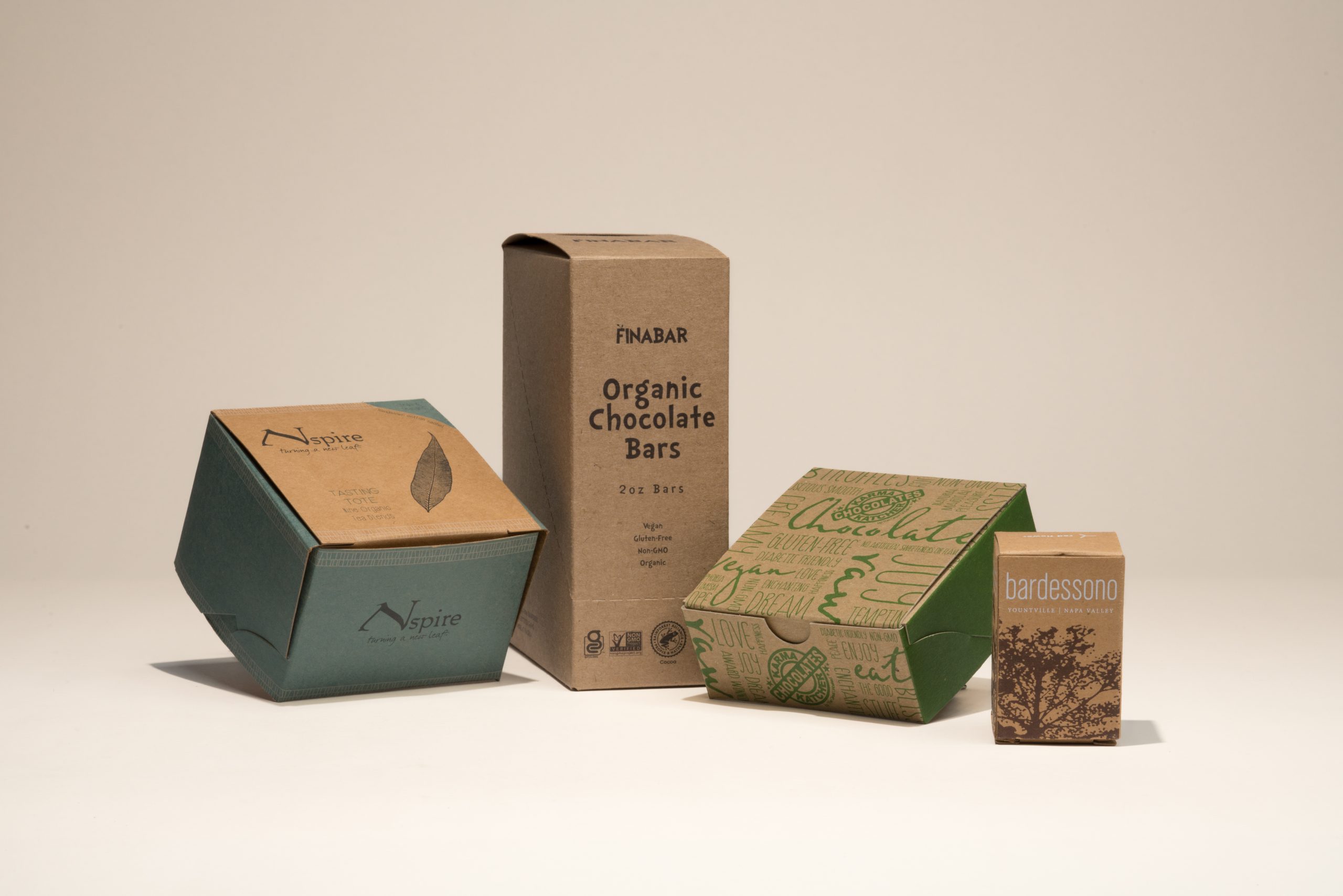
Traditional printing ink is petroleum-based. It became the industry standard because it’s inexpensive and dries quickly, which keeps presses moving. The tradeoffs are that it relies on a non-renewable resource and releases volatile organic compounds (VOCs) as it dries. VOCs contribute to air pollution and are one reason sustainability-focused printers like Greenerprinter have looked for alternatives.
What Is Soy Ink?
Soy ink is a type of vegetable-based ink that swaps much of the petroleum content for soybean oil, which is then blended with pigments, resins, and waxes. It’s a renewable, plant-based alternative that’s been used for decades. Newspapers adopted it early, and about one-third of about 10,000 newspapers in the US use soy-based ink.
It’s important to know that “soy ink” doesn’t mean the ink is made entirely of soy. Industry labeling only requires a minimum amount of soy oil, and that minimum varies by ink type. Our team uses soy and vegetable-based inks and water-based coatings to ensure our products are as green as possible without sacrificing quality.
What Soy Ink Can and Can’t Do
Soy ink is a good option, but it isn’t a cure-all. Most soy inks still contain some petroleum-based components, with the minimum percentage of vegetable content replacing petroleum varying by ink type. For example, the American Soybean Association recommends that black news inks contain at least 40% soy oil, but heat-set inks may only need a minimum of 7%.
The government of the District of Columbia has determined that vegetable-based inks are generally less toxic than petroleum-based inks and release fewer VOCs into the environment. Soy and vegetable-based inks are also typically more recyclable and significantly more biodegradable than traditional inks. While even the best soy ink isn’t considered 100% biodegradable, it breaks down twice as well as traditional inks, which makes it a no-brainer for compostable packaging.
How Soy Ink Shows Up in Our Products
Every order we print combines the most environmentally-friendly ink that’s appropriate for your project with recycled, FSC-certified paper and carbon-neutral shipping. You’ll find that combination throughout our lineup, including:
- Calendars with twelve months of full-color imagery on recycled paper stock
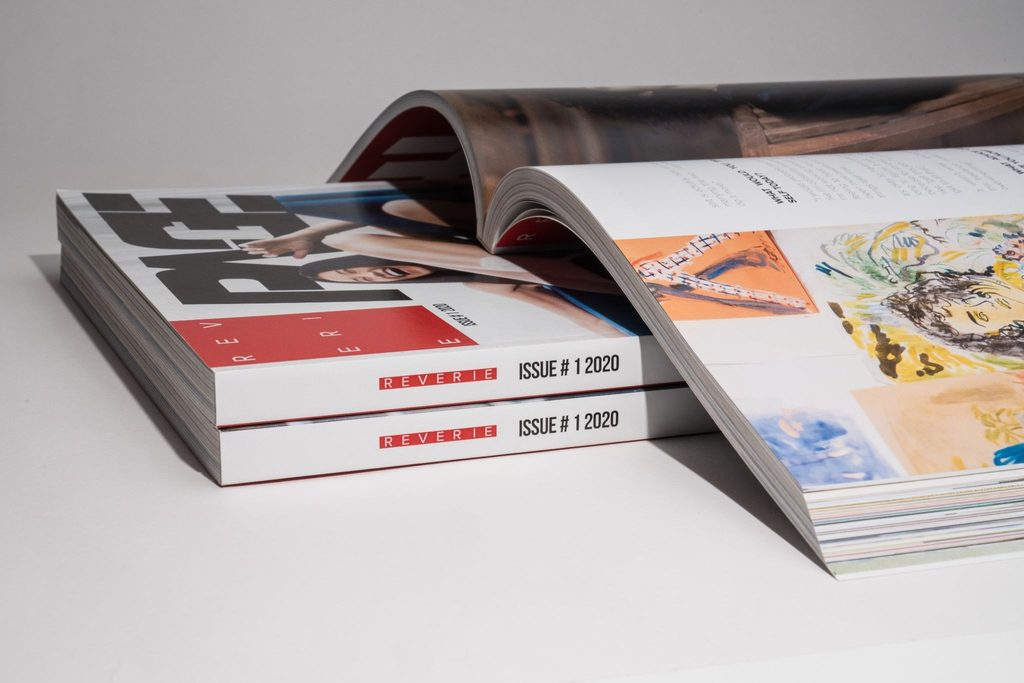
- Booklets and books with soy inks on both coated and uncoated recycled paper
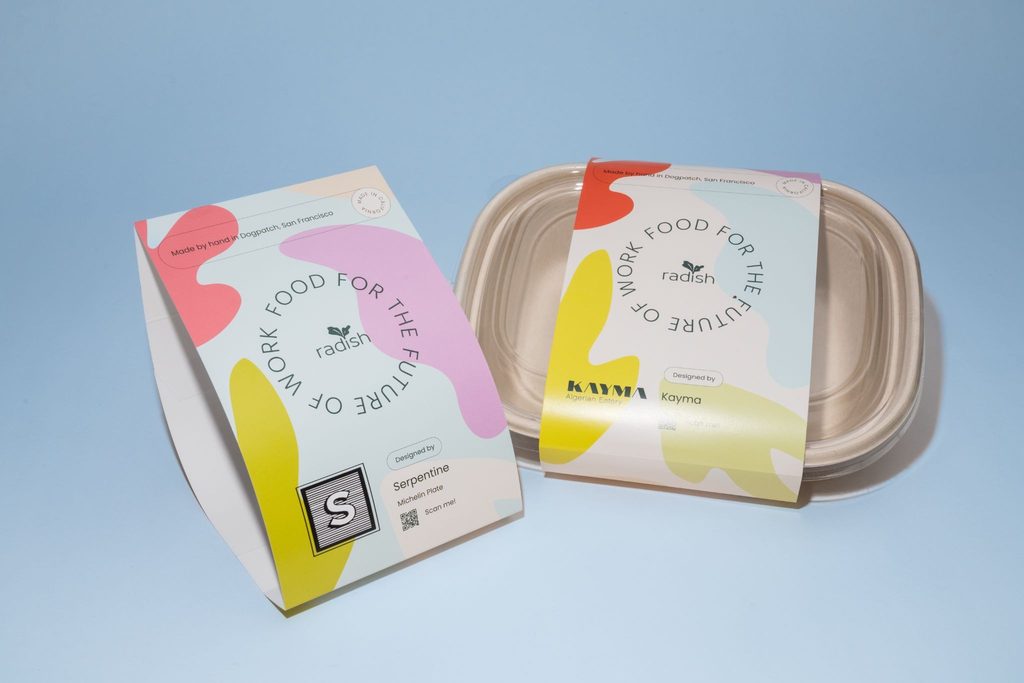
- Compostable packaging sleeves with branding that stays consistent with a sustainable package
Want the full picture of how we can incorporate soy ink into your sustainable packaging and printing? Take a look at our approach and our paper certifications for more information!
Will Soy Ink Change How Your Project Looks?
This is one of the most common questions about vegetable-based inks, and the answer is usually no. Modern soy inks deliver crisp, accurate color on both coated and uncoated paper.
In fact, vegetable-based inks frequently deliver more vibrant colors than traditional inks. This is because plant oils are naturally clearer and lighter in color than petroleum oils, which add a darker base shade that can prevent colors from truly popping.
Soybean oil can sometimes have a slightly lower gloss finish than traditional inks, but this depends largely on the type of paper you choose. Our team can guide you through your options and help you get the results you’re looking for.
Ready to Create the Most Sustainable Printing Project with Soy Ink?
Greenerprinter is here to help you achieve your sustainability goals, down to the last detail. While your paper choice might seem like the most important decision in your project, choosing eco-friendly ink is a simple way to make your project as green as possible. Read more about our sustainable ink options or browse our product options to start your project!
Ready to bring your project to life? Greenerprinter offers a full range of sustainable printing options. Explore some of our most popular products:
Calendar Printing
Custom Calendars | Wall Calendars | Saddle-Stitched Calendars
Book & Booklet Printing
Custom Books | Custom Booklets | Saddle-Stitched Booklets | Zines | Catalogs
Brochure Printing
Custom Brochures | Tri-Fold | Bi-Fold | Gate Fold | Z-Fold