
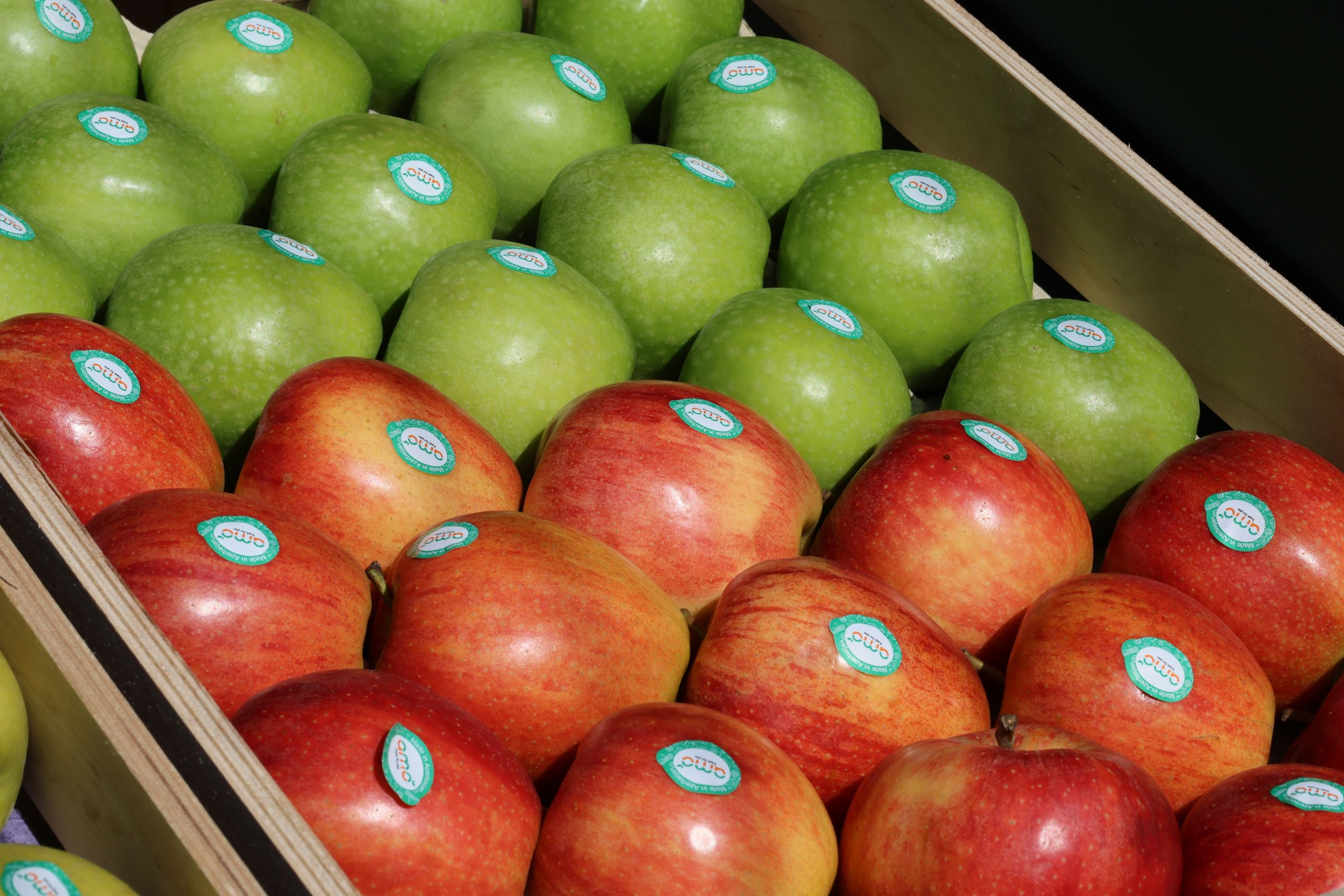
Fruit stickers are not edible and should be removed before eating due to potential hazards like adhesive ingredients, hygiene concerns, and choking hazards. Plastic stickers also pose environmental challenges as they are generally not compostable or biodegradable, but eco-friendly alternatives are being explored.
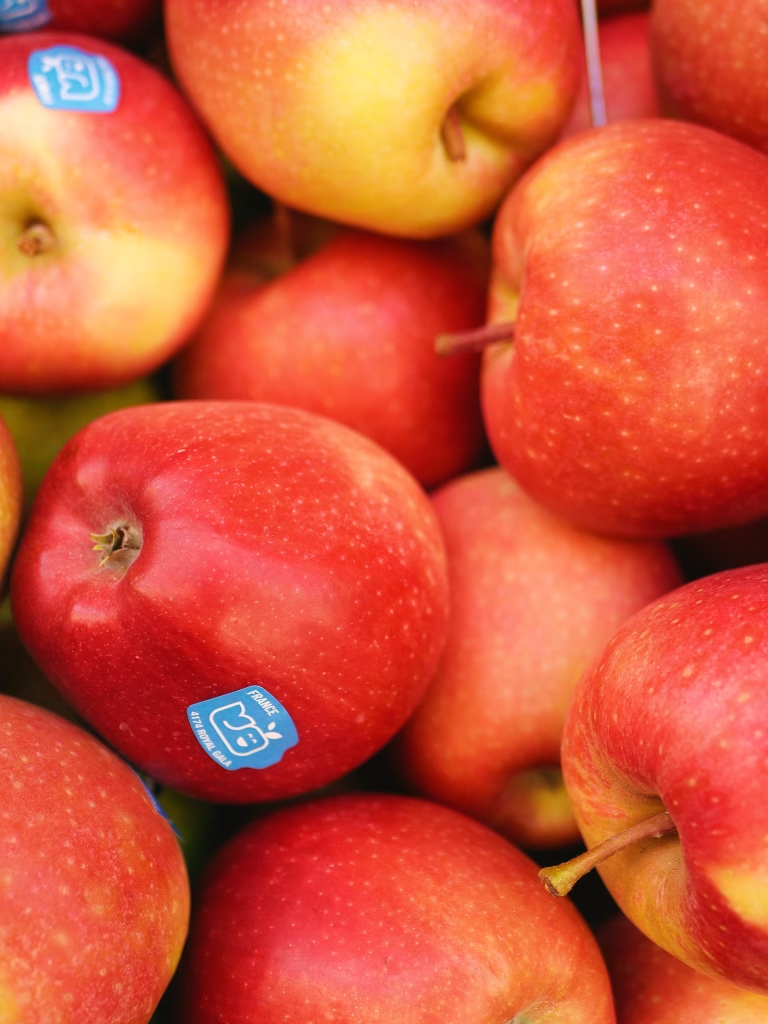
Have you ever paused mid-bite, contemplating whether the tiny sticker clinging to your apple or pear is safe to eat? Fruit stickers, those miniature labels adorned with codes and information, have sparked curiosity and debate among consumers for years. If you’ve been curious about whether those tiny labels are safe to eat, you’re not alone. The stickers found on fruit have long been a subject of speculation among consumers. In this post, we’ll delve into the world of fruit stickers to determine whether they are edible or best left discarded.
The Purpose of Fruit Stickers
Fruit stickers serve several practical purposes within the agricultural and retail industries. These labels, typically made from paper or plastic, play integral roles in the following areas:
Identification: Fruit stickers provide crucial information about the produce they adorn, including the fruit’s variety, country of origin, and PLU (price look up) codes. This labeling helps consumers make informed purchasing decisions and assists retailers in managing inventory effectively. (source)
Barcoding: Many fruit stickers feature barcodes that streamline the checkout process at supermarkets and grocery stores. These barcodes encode essential data, such as pricing, inventory tracking information, and product details.
Regulatory Compliance: In some regions, fruit stickers may include regulatory information pertaining to the fruit’s cultivation methods, organic certification status, or compliance with food safety standards. These details contribute to transparency and regulatory adherence within the food supply chain.
Edibility of Fruit Stickers
Now, the burning question: are fruit stickers safe to eat? The short answer is no, they are not intended for consumption. While fruit stickers are technically made from food-grade materials, they are not meant to be ingested. Ingesting plastic of any kind is not advised, but one fruit sticker need not be cause for concern (source). Here are a few reasons why:
Adhesive Ingredients: The adhesive used to attach fruit stickers to produce may contain substances that are not safe for consumption. These adhesives are designed to adhere firmly to the fruit’s skin, which means they can contain chemicals or compounds that are not meant to be ingested.
Hygiene Concerns: Fruit stickers come into contact with various surfaces during transportation, handling, and storage. As a result, they can accumulate dirt, bacteria, and other contaminants, making them unsuitable for consumption.
Potential Choking Hazard: Fruit stickers are small and can present a choking hazard, especially for young children who might accidentally ingest them.
Safe Handling Practices
While fruit stickers are not meant to be eaten, they are harmless if accidentally consumed in small quantities. However, it’s always best to remove them before consuming the fruit. Here are some tips for safe handling:
Peel Carefully: When removing fruit stickers, take care to peel them off gently to avoid leaving behind any residue or tearing the fruit’s skin.
Wash Thoroughly: Before eating or preparing fruit, always wash it under running water to remove any dirt, bacteria, or pesticide residues, including remnants of the sticker adhesive.
Dispose Properly: After removing the sticker, dispose of it in the trash
Environmental Impact of Fruit Stickers
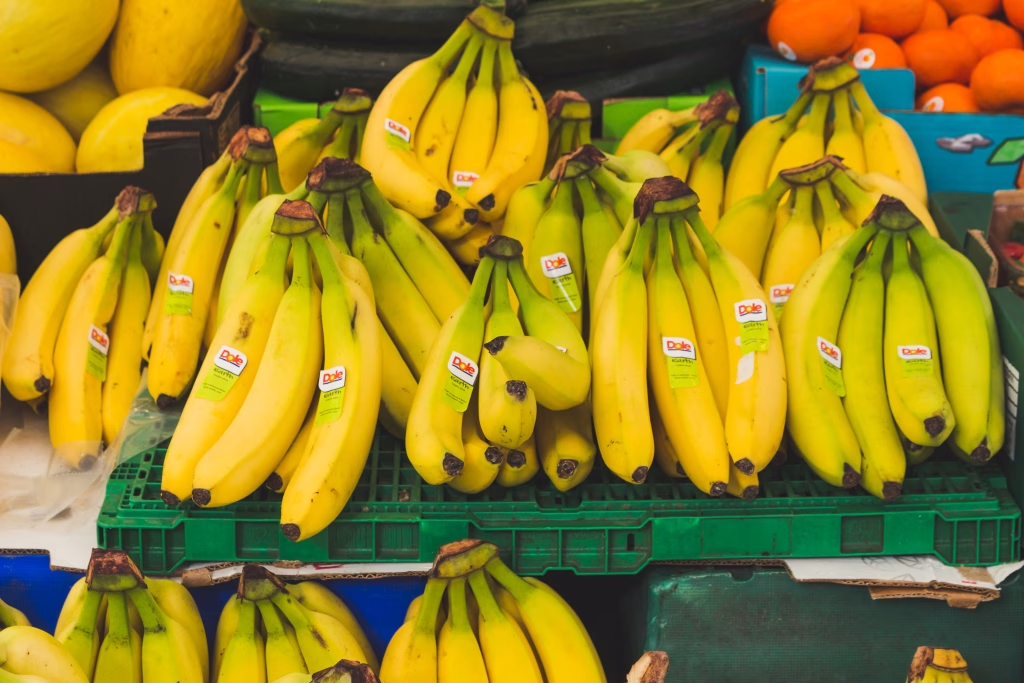
Plastic fruit stickers, particularly those made from non-biodegradable materials, pose significant challenges for recycling and waste management. These stickers may persist in the environment for extended periods, contributing to litter and pollution in ecosystems. Most fruit stickers you’d see on produce now are not compostable or biodegradable, so they should be removed and thrown in the trash (source).
Biodegradable and Compostable Alternatives
In response to environmental concerns, some manufacturers have begun exploring biodegradable and compostable alternatives for fruit stickers. These eco-friendly options are designed to break down naturally over time, just like our uncoated stickers at GreenerPrinter!
Learn more about the difference between biodegradable and compostable here.
Conclusion
In conclusion, while fruit stickers may pique our curiosity, they are not edible and should be removed before consuming the fruit. While accidental ingestion of small amounts is unlikely to cause harm, it’s best to err on the side of caution and avoid eating them altogether. By practicing proper handling and disposal techniques, we can enjoy our favorite fruits safely and without any unwanted extras. So the next time you reach for an apple, remember to peel off the sticker before taking a bite!