
Paperback vs Hardcover: Which Book Format Should You Choose for Your Project?
When planning a book printing project, choosing between paperback vs hardcover can be just as important as the cover design itself. Format influences cost, durability, and the overall experience for your readers. If you’re publishing a professional title, a creative piece, or a brand asset, understanding the differences helps you make the right call.
What Are Hardcover Books?
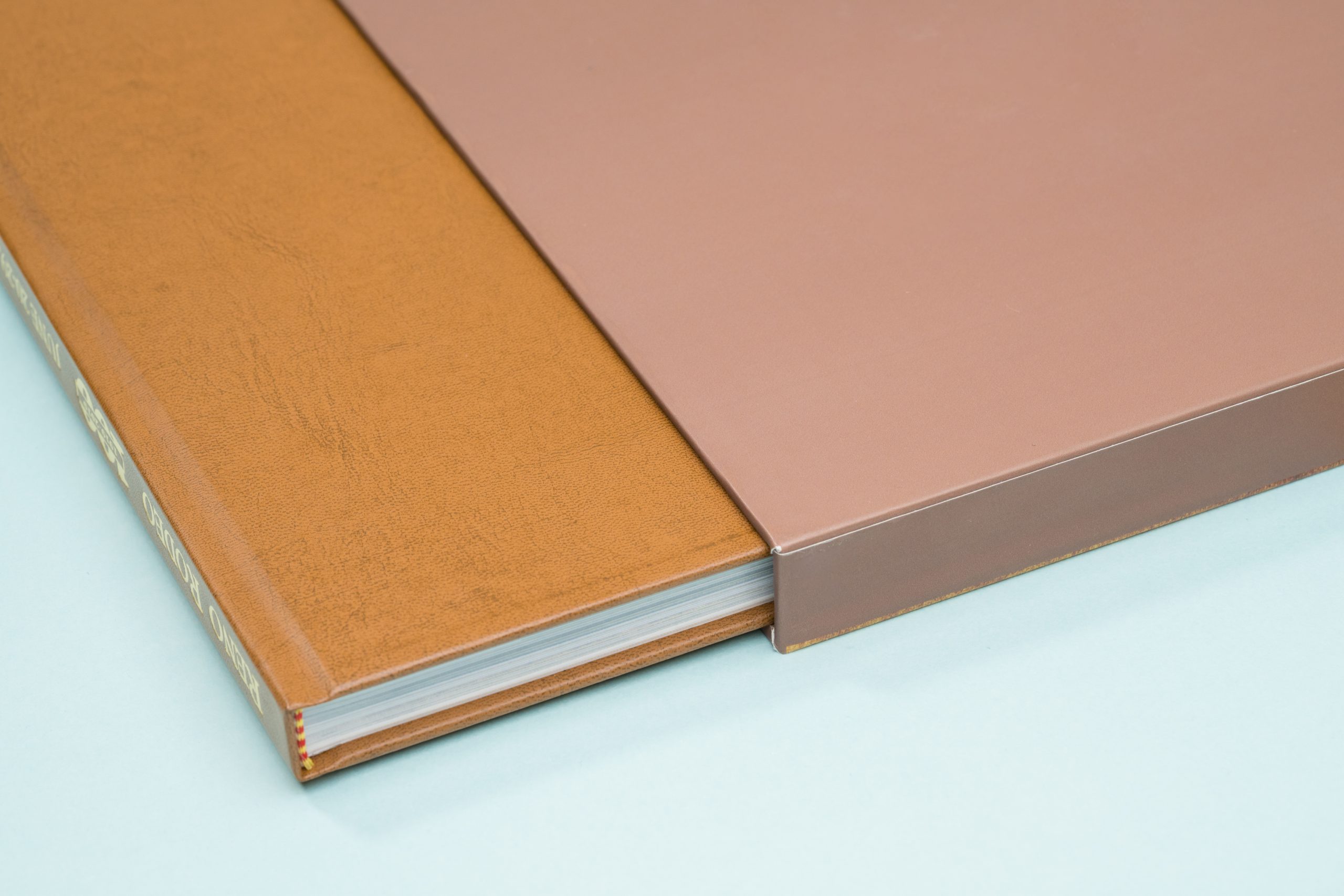
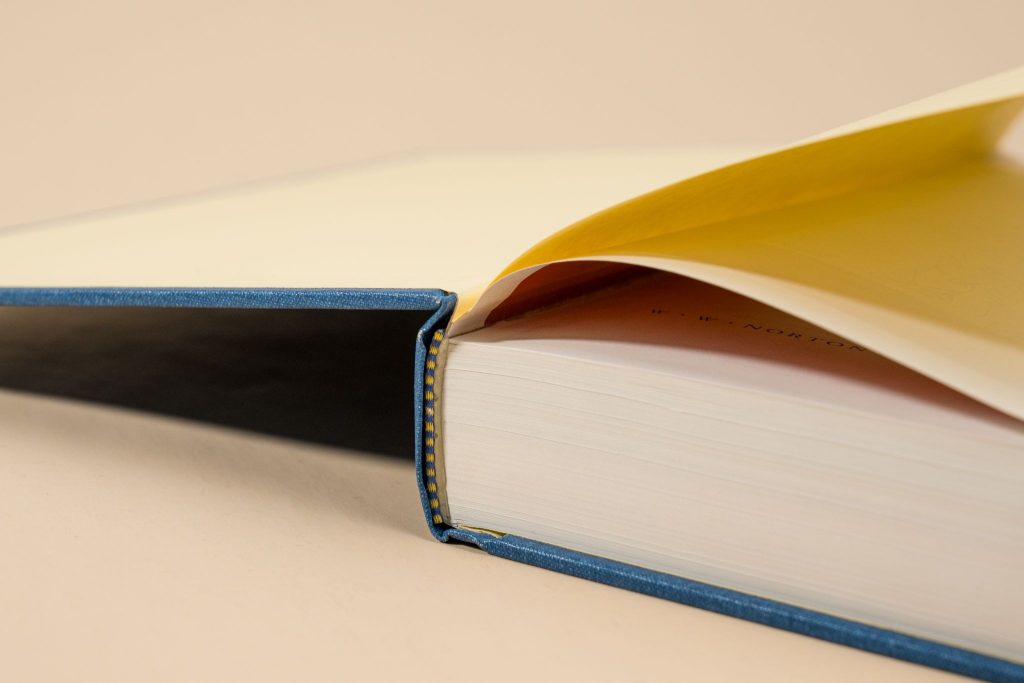
Hardcover books, also known as hardback books, feature a rigid outer cover made from thick cardboard or board material. This cover is often wrapped in cloth, leather, or paper, and may include a dust jacket. The binding is typically sewn or glued, creating a sturdy, long-lasting spine.
These books are built for longevity. They maintain their shape over time and handle repeated use well, which is why they’re common for first editions, collector’s items, academic publications, and premium self-published works.
What Are Paperback Books?
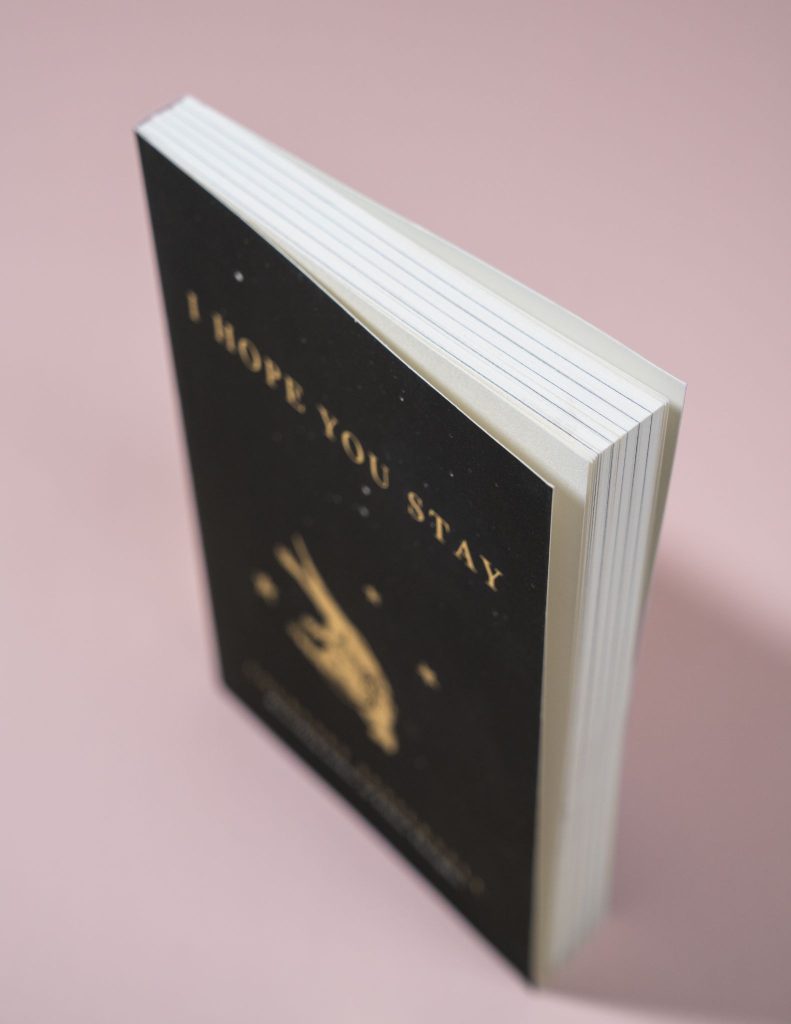
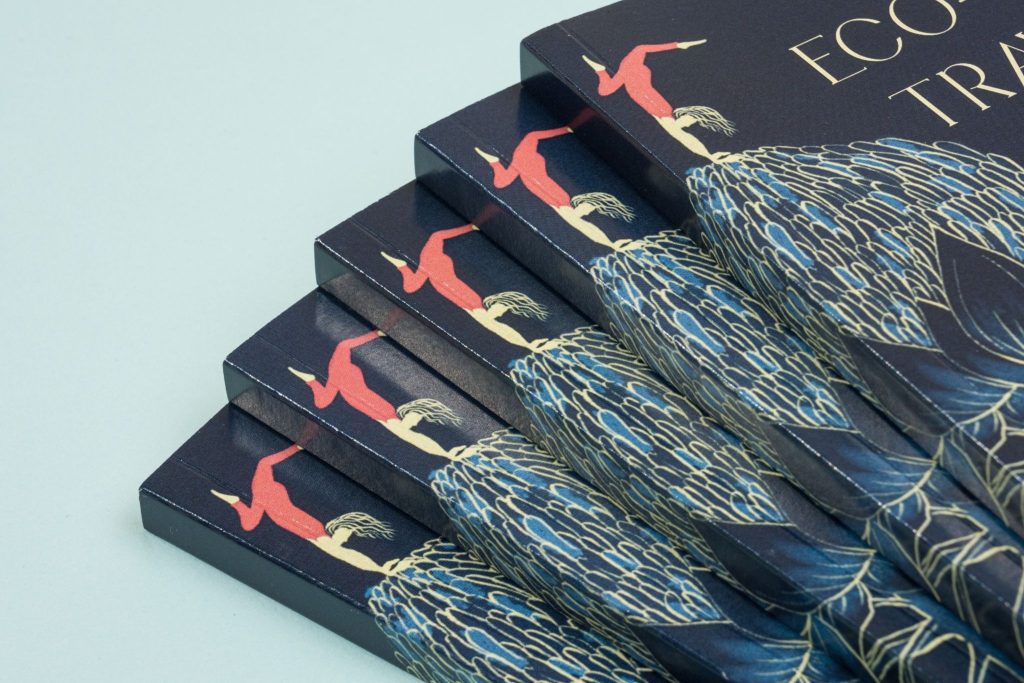
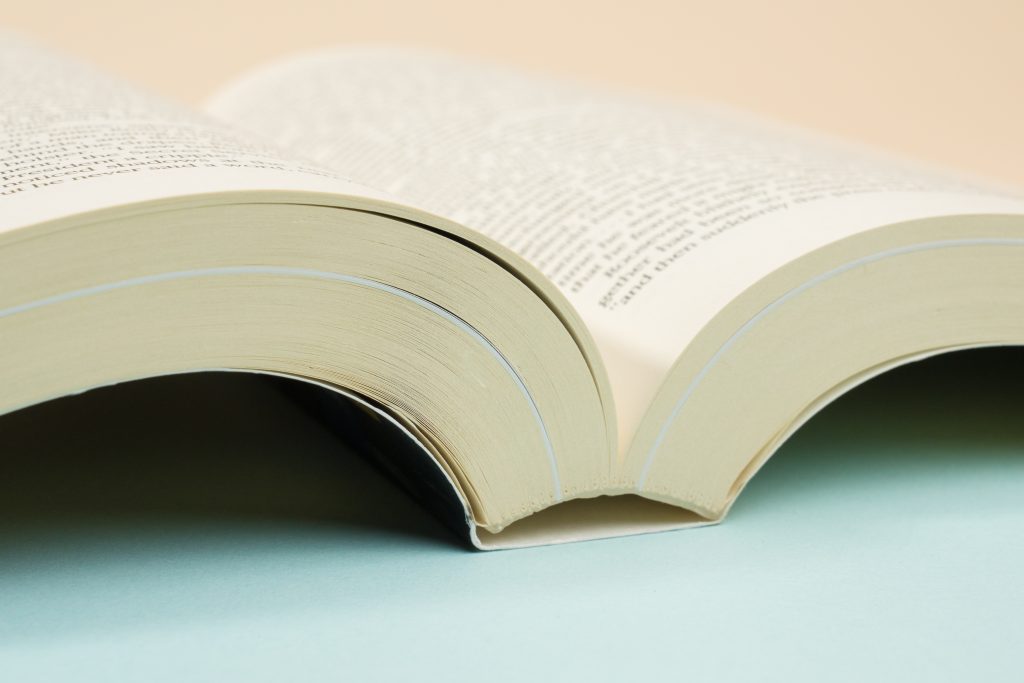
Paperback books, or softcover books, have a flexible paper-based cover. They’re usually bound using perfect binding: a process that glues the pages and cover together at the spine. This format is lighter and generally less expensive to produce.
Paperbacks are a popular choice for cook books, poetry books, children’s books, coloring books, and other use cases where affordability, portability, and quicker turnaround times are priorities.
Hardcover vs Paperback: Pros and Cons
Choosing between hardcover and paperback goes beyond aesthetics—each format has strengths depending on your goals, audience, and budget. Here’s a detailed comparison to help you make an informed decision.
Hardcover Pros:
Hardcover books are often associated with quality and longevity. Their rigid construction protects the internal pages, making them a preferred format for books that are meant to last or be displayed.
Durability: Hardcover books are more resistant to wear and tear. They’re ideal for frequent handling or environments where books need to hold up over time—such as libraries, portfolios, or client-facing materials.
Professional Appeal: The substantial feel and structured spine of a hardback create an impression of authority and craftsmanship. This makes them a strong choice for commemorative editions, coffee table books, or business publications.
Shelf Presence: Their rigid form holds shape better on bookshelves, making them a favorite for display or gifting.
Higher Perceived Value: Readers and buyers often associate hardcover books with prestige, making them more suitable for premium pricing or positioning.
Hardcover Cons:
Despite their many advantages, hardcovers aren’t always the right fit, especially if you’re working with tight budgets or short timelines.
Increased Production Cost: The materials and labor involved in hardcover binding raise the base production cost, which may not align with some project constraints.
Heavier Weight: Hardcovers add significant bulk and weight. This impacts shipping costs and can make them less convenient for carrying around, especially for larger page counts.
Longer Turnaround Times: The finishing process for hardcovers typically takes longer, which can affect schedules if you’re working with a fixed launch date.

Paperback Pros:
Paperbacks are designed for ease, affordability, and efficiency. They are versatile and widely used across industries, especially for high-volume runs and short-term projects.
Cost-Effective: If you’re publishing in quantity or working within a limited budget, paperback books offer a high-quality yet accessible option.
Lightweight and Portable: Their lighter weight makes them ideal for on-the-go reading, mailing, or event distribution. This is especially useful for trade shows, workshops, and promotional campaigns.
Faster Production Times: With fewer materials and simpler binding, paperback production generally moves faster (ideal for quick turnarounds).
Approachable Design: The casual format of a softcover can appeal to a broader audience, particularly for genres like fiction, manuals, and educational workbooks.
Paperback Cons:
While they offer speed and value, paperbacks may not hold up as well over time.
Lower Durability: A soft cover offers limited protection. Frequent use can lead to bent corners, creased spines, or loose pages.
Limited Presentation Value: For projects that need a high-impact, polished appearance, a paperback may feel too informal.
Shorter Shelf Life: Paperbacks are more susceptible to damage during handling, shipping, or storage, which can impact resale quality or brand perception.
Is It Better to Get Hardcover or Paperback Books?
The right answer depends on what you’re printing and who it’s for.
If you’re publishing a limited-run art book or a keepsake intended for gifting or resale, hardcover books will make a stronger impression. They’re tactile, substantial, and often seen as more valuable.
If you need a cost-effective option for mass distribution, events, or everyday use, paperback is a practical choice. Many self-published authors and businesses find that paperback books help them stay within budget without sacrificing quality.
Why Do People Prefer Hardback Books?
Hardback books appeal to readers and publishers who value craftsmanship and permanence. Their rigid covers resist damage, and their spines hold up well through multiple readings.
Collectors and libraries often prefer hardcover editions for these reasons. They also feel more substantial, which can elevate a brand or author’s perceived professionalism.
At Greenerprinter, we work with customers who choose hardcover formats for legacy projects, commemorative editions, and high-end marketing pieces where presentation is paramount.
Are Hardcover Books Worth More?
Generally, yes – both in perceived value and actual price.
Hardcover books are often priced higher at retail because of their durability, materials, and presentation. This format suggests a premium product, which can justify a higher asking price or support a brand’s positioning strategy.
From a production standpoint, they do cost more to manufacture, so pricing your project appropriately matters. However, for projects where longevity and brand impact are priorities, the investment can pay off.
Hardcover vs Paperback: Best Book Option by Cost
If your main decision point is cost, paperback books are the more economical route. They require fewer materials, take less time to produce, and are lighter (reducing shipping expenses).
Hardcover books, while more expensive upfront, may yield higher margins for retail or collector editions. If you plan to sell your book or use it as a high-touch marketing piece, the added cost may be offset by its perceived value.
Greenerprinter works closely with clients to assess project needs and recommend solutions that meet both quality and budget expectations. We offer both softcover and hardcover book printing using sustainable materials and practices, so you never have to compromise on environmental impact.
Choosing the Right Format for Your Next Print Project
When deciding between paperback vs hardcover, weigh your priorities:
- Do you need to minimize cost or maximize impact?
- Will the book be handled frequently or stored as a keepsake?
- Are you aiming to impress or distribute widely?
Hardcover books provide a professional, durable, and premium finish. Paperback books offer flexibility, speed, and affordability. Either option can work beautifully depending on your goals.
Still deciding between paperback vs hardcover? We’re here to help bring your book to life with sustainable, high-quality printing and hands-on support from start to finish.
Ready to bring your project to life? Greenerprinter offers a full range of sustainable printing options. Explore some of our most popular products:
Book & Booklet Printing
Custom Book Printing | Custom Booklet Printing | Saddle-Stitched Booklets | Zines | Catalogs | Custom Calendars