
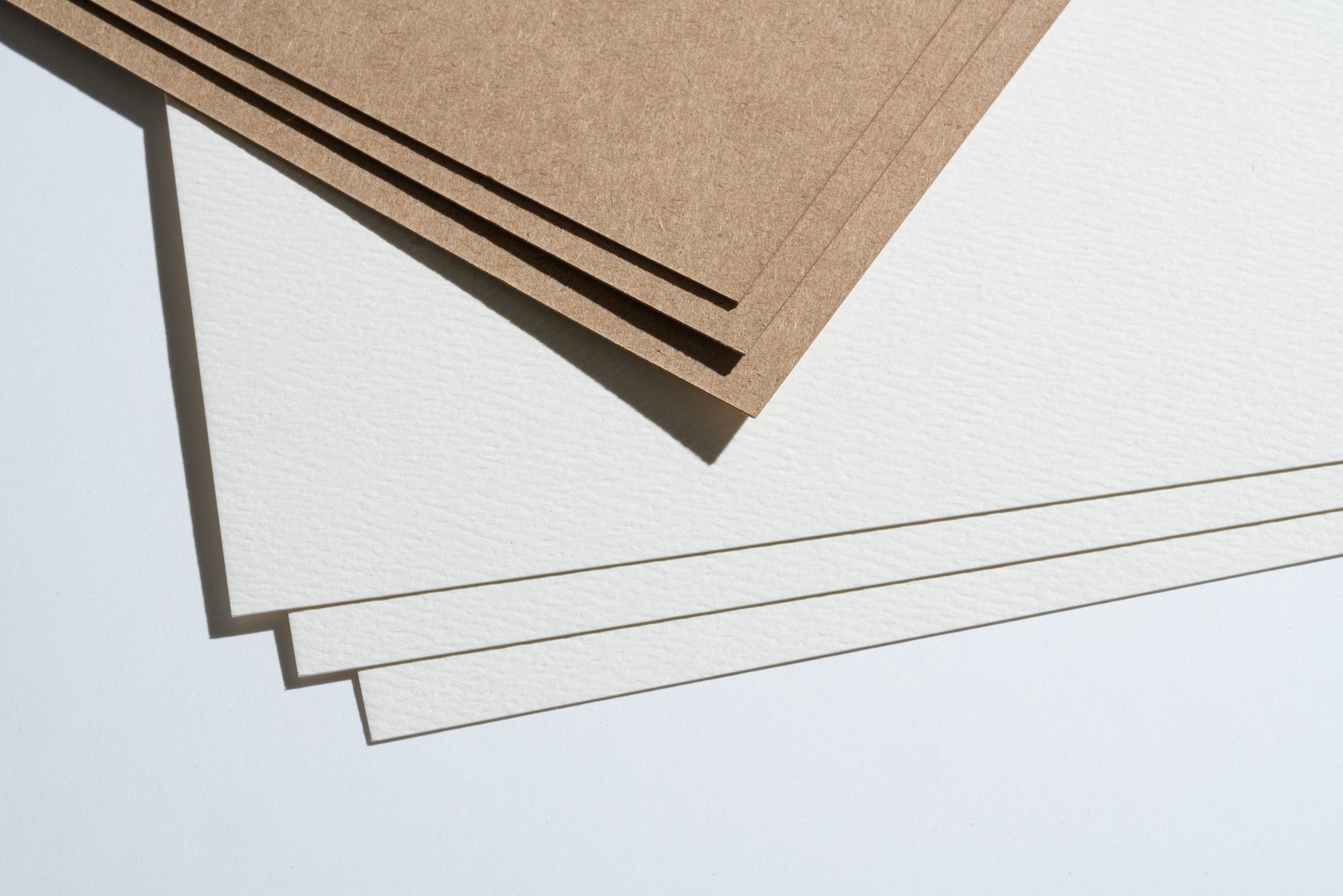
Paper Weight Guide: How To Choose
Paper specs can feel like another language. 80 lb text. 100 lb cover. 270 gsm. If you’re trying to order business cards, postcards, or brochures, those numbers can slow you down instead of helping you choose. This complete paper weight guide will show you which paper weight to choose for your project, how to compare options on a quote, and when to ask for expert help from Greenerprinter.
What Is Paper Weight, And Why Does It Matter?
Paper weight describes how heavy and dense a sheet of paper is. It affects how your printed piece looks, feels, and performs in real life. From a buyer’s perspective, paper weight matters because it directly influences:
- How premium your piece feels in the hand
- How well it holds up during mailing and handling
- How much you spend on paper and postage
- How closely your materials match your sustainability goals
A strong paper weight guide shouldn’t just explain numbers. It should show you how to turn those numbers into decisions. That starts with understanding the units.
How Paper Weight Is Measured: GSM vs Pounds
You’ll see two main units on most print specs and product pages: pounds (lb) and GSM.
In the United States and Canada, paper weight is measured primarily in pounds (lbs). Pounds use a “basis weight” system that measures the weight of 500 sheets of a specific paper grade at a standard sheet size. The ‘standard’ sheet size changes from category to category, which is why 80 lb text and 80 lb cover don’t feel the same at all.
GSM (grams per square meter) measures the weight of one square meter of paper. It’s consistent across categories and is the most reliable way to compare thickness and heft.
Paper weight calculators and equations exist, but you don’t need to memorize them. You just need to know which range fits your project goals.
Which Paper Category Fits Your Project: Text, Cover, Or Bond?
Before you pick a specific weight, choose the right category. Most commercial print projects use one of three:
Bond or writing paper: This is your familiar office and letterhead paper. It’s light to medium weight, runs easily through desktop printers, and works for everyday documents and branded stationery.
Text paper: Text stocks are made for multi-page pieces and marketing materials. They’re excellent for brochures, booklets, catalogs, and flyers. They bend and fold easily but feel more refined than typical office paper.
Cover or cardstock: Cover stocks are thicker and more rigid. They’re the go-to choice for business cards, postcards, playing cards, menus, hang tags, and premium marketing pieces.
A quick way to frame the decision:
- Pick bond/writing for letterhead and office use
- Pick text for pages and folded pieces
- Pick cover for cards, covers, and anything that needs stiffness
When you request a quote with Greenerprinter, you’ll typically choose between recycled or FSC-certified text and cover stocks, then select a weight within the right category.
How Paper Weight Affects Quality, Cost, And Sustainability
Once you know the category, weight becomes a series of tradeoffs. Heavier isn’t always better; it’s more about balance.
Perceived quality and brand feel
Heavier cover weights feel more substantial and high-end. They signal quality on business cards, postcards, and covers. Slightly heavier text papers can also elevate brochures and custom booklets without making them stiff.
Durability and handling
A thicker sheet resists bending and creasing. That matters for postcards running through postal equipment, menus that are handled frequently, or hang tags rubbing against apparel or packaging.
Mailing costs and logistics
Weight adds up quickly across a stack of pieces. A shift from a lighter to a heavier text stock can move a mailing into a higher postage bracket. For mailers and catalogs, the “right” weight balances feel with project cost.
Sustainability and material use
Heavier paper uses more fibers and increases shipping weight. That doesn’t automatically make it a bad choice, especially for long-lasting items. For short-lived or high-volume campaigns, a smart choice is often a mid-range weight on recycled or FSC-certified stock that reduces total material use.
At Greenerprinter, we look at all of these factors together. The goal is a paper that feels right in hand, works well in real-world use, and supports your environmental commitments.
Recommended Paper Weights For Common Print Projects
Here’s where your paper weight guide becomes a buying tool. Use these ranges as starting points, we’ll follow a simple Good / Better / Best format so you can line up paper weight with budget and goals.
Business cards: what paper weight works best?
You want a card that feels solid, survives a wallet, and represents your brand well.
- Good: around 100 lb cover recycled stock, a professional standard for most cards
- Better: 110-120 lb cover for a thicker, more premium feel
- Best: extra heavy or duplexed cover stocks for luxury cards or specialty finishes
If you’re unsure where to start, 100 lb cover on a recycled, uncoated stock is a safe and eco-conscious default. You can always step up to a heavier weight once you see how it feels.
Postcards and rack cards: how heavy should you go for mailing?
Postcards have to handle machines, transport, and delivery.
- Good: 100 lb cover for standard postcards and rack cards
- Better: 110-120 lb cover for added stiffness and durability
- Best: specialty heavy cover for short runs where impact matters more than postage
For large mailing lists or ongoing campaigns, the Good or Better range usually makes the most sense. The heavier “Best” options are ideal for targeted, high-value mailers.
Brochures and tri-folds: which paper weight folds cleanly?
Brochures need to fold neatly without cracking along the creases.
- Good: 80 lb text, ideal for tri-folds and general brochures
- Better: 100 lb text for a more substantial feel
- Best: light cover stock for short, premium pieces with scored folds
If the brochure will be mailed in volume, lean toward the Good or Better range. If it’s intended to be handed out in person at an event or boutique retail setting, the Better or Best options can amplify the impression.
Flyers and one-page handouts: how much weight do you really need?
These pieces often run in high quantities and may be used only once.
- Good: 70-80 lb text, a solid, efficient choice for events and inserts
- Better: 100 lb text when you want a distinctly premium feel
- Best: light cover for short runs where each piece needs to stand out
For eco-conscious campaigns, pairing a Good or Better weight with recycled content is often the most responsible path.
Booklets, catalogs, and magazines: how to split cover and interior weights?
These pieces commonly use two different weights.
- Covers, good: 80 lb cover
- Covers, better: 100 lb cover for more presence
- Inside pages, good: 70-80 lb text
- Inside pages, better: 100 lb text for shorter or more premium booklets
For longer custom catalogs or magazine printing, a lighter interior stock keeps the piece comfortable to hold and more economical to mail. For shorter lookbooks and premium brand pieces, heavier interior pages can reinforce a high-end impression.
Letterhead and branded stationery: what feels professional?
You need paper that looks refined yet works smoothly in office equipment.
- Good: 24 lb bond for standard letterhead
- Better: 28 lb bond or equivalent for a richer feel
- Best: specialty writing papers with texture in that same weight range
If you regularly print in-house, share that detail with your printer so they can match the paper weight to your equipment.
Packaging inserts, hang tags, and small cards: which weights resist bending?
These pieces are small, often punched, and frequently handled.
- Good: 100 lb cover for general inserts and small cards
- Better: 110-120 lb cover for hang tags and high-touch pieces
- Best: heavier specialty cover stocks for luxury products or extended use
If you’re creating an eco-friendly packaging system, Greenerprinter can help you select a family of text and cover weights that work together visually and physically.
How To Read Paper Weight On Quotes And Charts
When you receive a quote or browse a specification sheet, you might see something like:
100 lb uncoated cover, recycled
Here’s how to interpret that line from a buying perspective:
- 100 lb cover tells you it’s a relatively heavy cardstock suitable for cards, covers, and sturdy pieces
- Uncoated tells you the surface is more natural and matte, which fits well with eco-conscious brands and is easier to write on
- Recycled gives you the sustainability signal that many buyers now prioritize
If you’re comparing two options and still feel unsure, ask your printer something like: “How will this paper weight feel compared to a standard business card?” That comparison gives you an immediate mental reference.
Greenerprinter is always happy to translate specs into plain language so you can choose between options with confidence.
How Greenerprinter Helps You Choose Paper With Confidence
You don’t need to become a paper expert to choose the right paper weight for your project. That’s our job. Greenerprinter specializes in high-quality, eco-conscious commercial printing.
When you reach out with a project idea, we can:
- Recommend paper categories and weight ranges based on your goals and budget
- Suggest recycled and FSC-certified options that match your brand values
- Flag any mailing or finishing concerns related to thickness or weight
- Offer stock samples so you can compare paper weight and finish in your hands
If you’re planning new business cards, a postcard campaign, a brochure refresh, or a full suite of branded materials, this paper weight guide gives you a strong starting point. From there, the Greenerprinter team can help you fine-tune the details so every piece feels just right and reflects your commitment to sustainability.
Ready to bring your project to life? Greenerprinter offers a full range of sustainable printing options. Explore some of our most popular products:
Book & Booklet Printing
Custom Book Printing | Custom Booklet Printing | Saddle-Stitched Booklets | Zines | Catalogs | Custom Calendars